Researched guide · Last checked: Nov 15, 2026
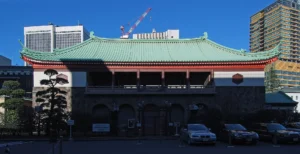
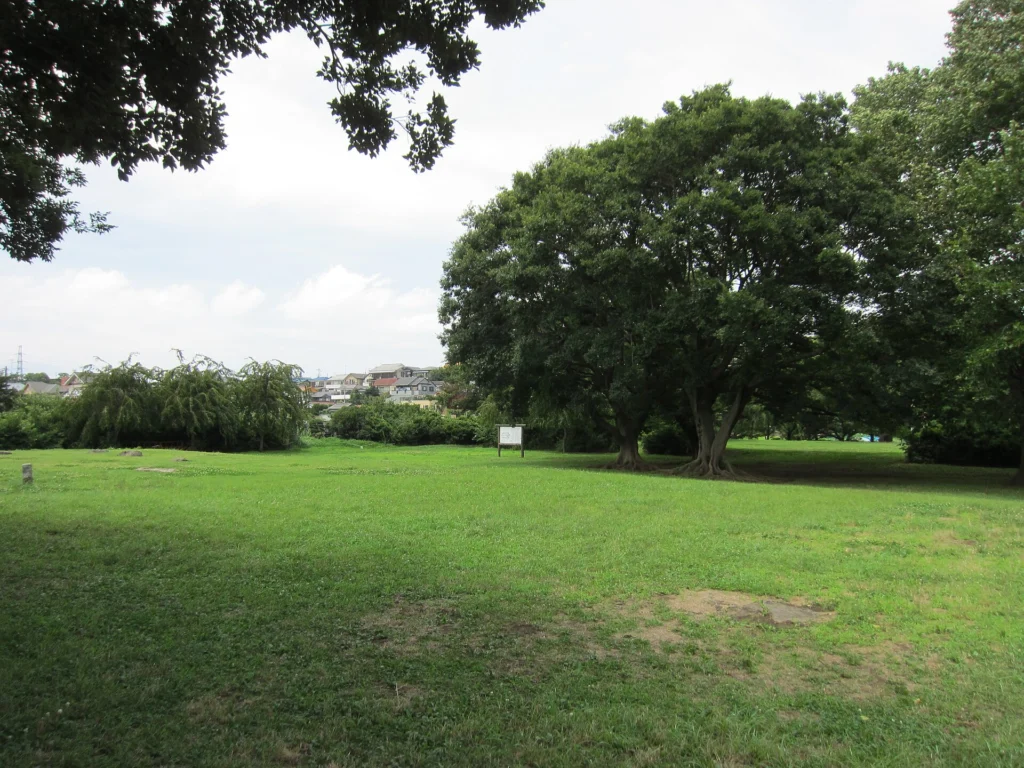
The Musashi Kokubunji Ruins Museum is a city-run museum in Kokubunji, west Tokyo, inside a paid garden called Otaka-no-Michi Yusuien (Otaka Path Spring Garden). It shows finds from the Musashi Kokubunji ruins, the site of a provincial temple founded in the Nara period on the order of Emperor Shomu. The park opened on October 18, 2009. It is about 15 minutes on foot from JR Nishi-Kokubunji Station. Entry costs JPY 100 for adults, and the garden fee covers the museum.
Quick answer
A city museum and a paid garden at the Musashi Kokubunji ruins.
Hours: 9:00-17:00 (last entry 16:45). Closed: Mondays (the next weekday if Monday is a holiday) and December 29 to January 3. Admission: Garden and museum: adults JPY 100 (annual pass JPY 1,000); junior high school students and younger free.
Quick facts
| What it is | A city museum and a paid garden at the Musashi Kokubunji ruins |
| Known for | Roof tiles and finds from the ruins, a model of the temple and an Edo-period gatehouse |
| Hours | 9:00-17:00 (last entry 16:45) |
| Closed | Mondays (the next weekday if Monday is a holiday) and December 29 to January 3 |
| Admission | Garden and museum: adults JPY 100 (annual pass JPY 1,000); junior high school students and younger free |
| Address | 1-13-10 Nishimotomachi, Kokubunji City |
| Nearest station | JR Nishi-Kokubunji Station, about 15 minutes on foot |
| Last checked | November 2026 |
What to see
- Exhibition room 1: finds from the excavation of Musashi Kokubunji, including roof tiles, one marked with the character for temple in red ink, plus inkstones and pottery. A 1/200-scale model shows the estimated look of the temple.
- Exhibition room 2: the city’s cultural properties from the Paleolithic to the Edo period, including a bronze standing Kannon statue designated by Tokyo Metropolis.
- Nagayamon gatehouse and storehouse: a late Edo-period gatehouse and a Meiji-era storehouse, both designated as city Important Tangible Cultural Properties. You can see inside the gatehouse.
- Seven-story pagoda model: a 1/10-scale model of the temple’s pagoda, made by the carpenter Tanaka Tameyoshi and donated to the city in 1993. It was moved into the garden in 2012.
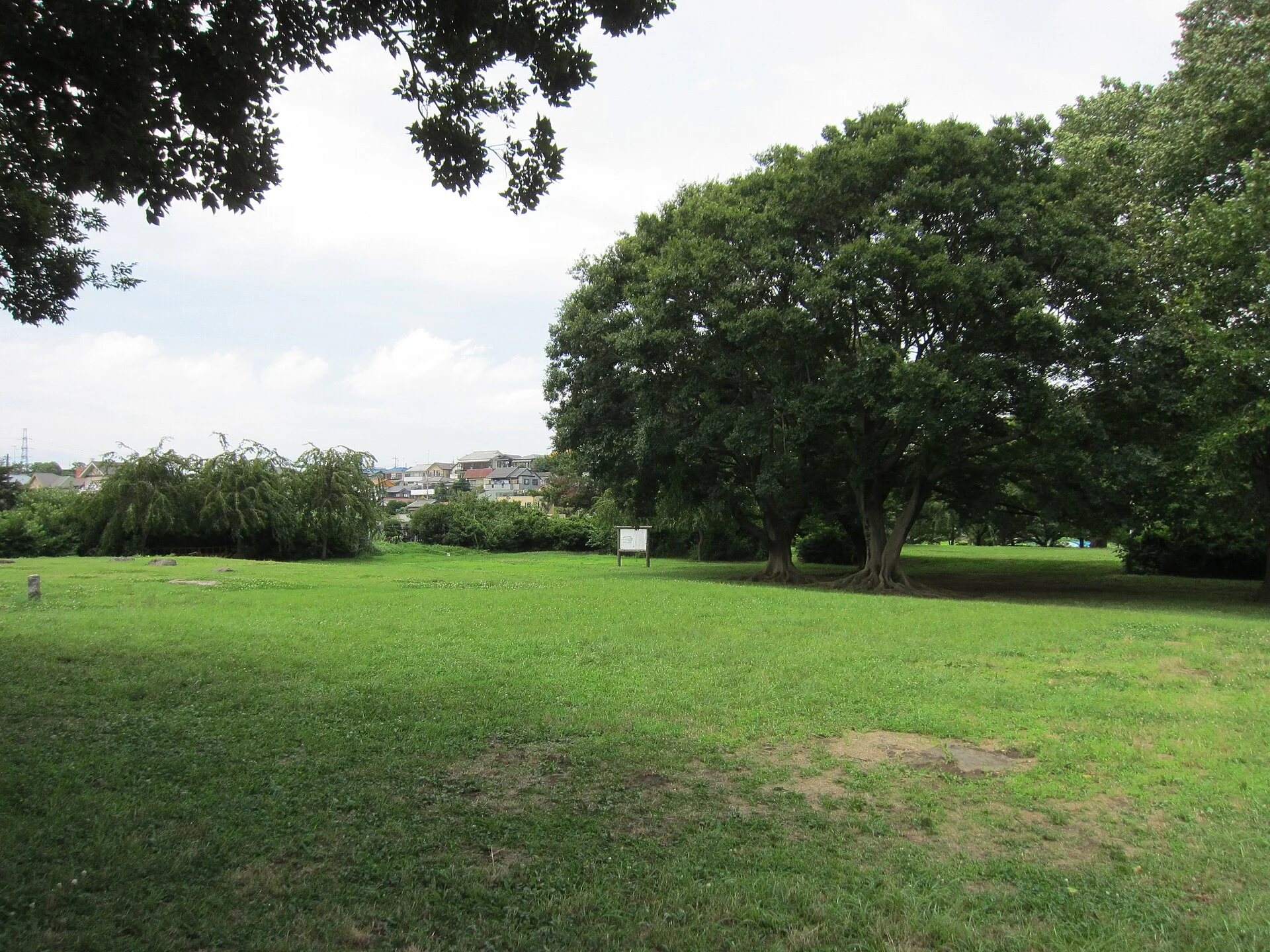
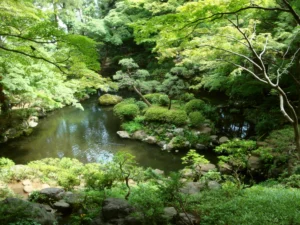
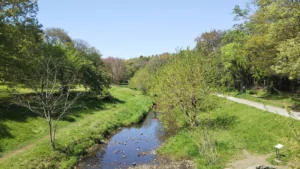
- The garden: its north side lies on the Kokubunji cliff line, where springs and a rich natural setting remain.
Exhibitions now
From October 10 to December 6, 2026, the autumn special exhibition Ancient Kokubunji: Paleolithic and Jomon Periods is in the museum’s lecture room. It shows the oldest stone tool found in the city, about 35,000 years old, and other finds.
Tips
- Buy tickets at the Shiseki no Eki (Historic Site Station), on the south side of the water channel.
- People with a disability certificate and one companion enter the garden free (show the certificate at the ticket window).
- The museum has a barrier-free restroom, a baby-changing seat and free public Wi-Fi.
- There is no parking.
Getting there
- JR Nishi-Kokubunji Station: about 15 minutes on foot.
- JR Kokubunji Station: about 20 minutes on foot.
- Bunbus (city loop bus, Manyo and Keyaki route): get off at Shiseki Musashi Kokubunji-ato, then about 8 minutes on foot.
- Keio Bus from the South Exit of Kokubunji Station (routes Tera 83, 87 or 88): get off at Izumicho 1-chome, then about 8 minutes on foot.
For another quiet garden nearby, see Tonogayato Gardens, and for green space in the area, Nogawa Park. More ideas are in the Tachikawa and Kunitachi guide, our guide to parks and gardens in Tokyo and the Edo-Tokyo Open-Air Architectural Museum.
FAQ
How much does it cost?
The garden fee covers the museum. Adults pay JPY 100 (an annual pass is JPY 1,000), and junior high school students and younger enter free.
When is it closed?
On Mondays (the next weekday if Monday is a holiday) and from December 29 to January 3.
What are the Musashi Kokubunji ruins?
The remains of a provincial temple built in the Nara period on the order of Emperor Shomu. The museum shows finds from its excavations.
Is there parking?
No. Use the train or the buses listed above.
What is the nearest station?
JR Nishi-Kokubunji Station, about 15 minutes on foot.
Keep reading
Sources
Facts come from Kokubunji City’s official website (Last checked: November 15, 2026). This page is based on official sources, not our own visit. Last checked: November 2026 (on November 15, 2026).