Researched guide · Last checked: Nov 15, 2026
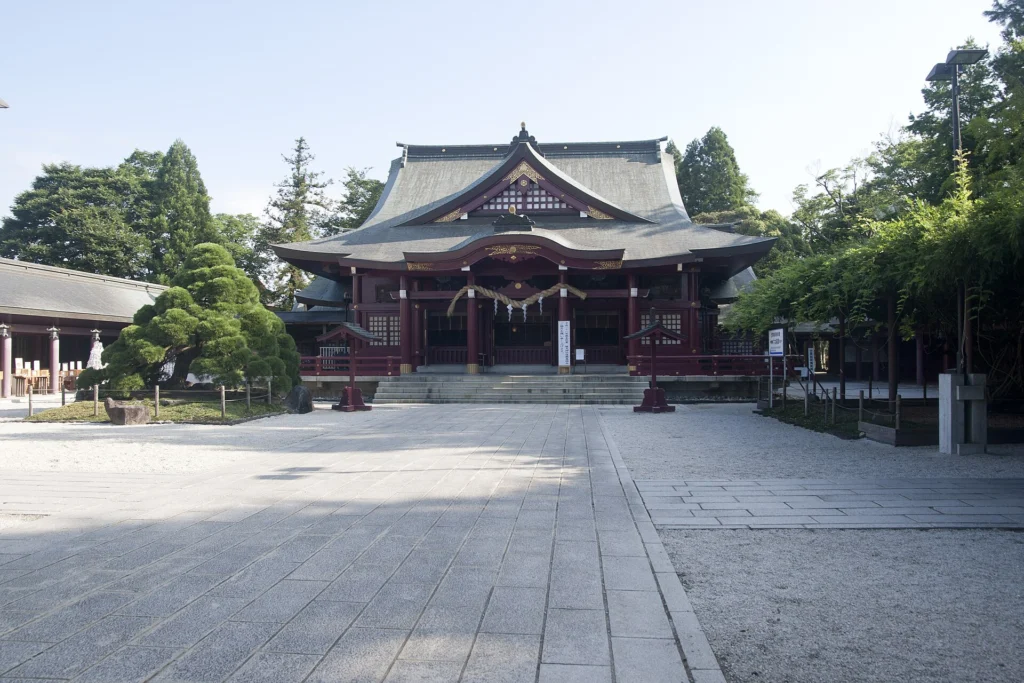
Kasama Inari Shrine in Kasama, Ibaraki, is a Shinto shrine for Ukanomitama no Kami, the Inari god of food, farming and business. Shrine records say it was founded in 651, and it is known as one of the three great Inari shrines of Japan. The main hall, rebuilt between 1854 and 1860, is covered in detailed wood carvings and is a national Important Cultural Property. Kasama Station on the JR Mito Line is about a 20-minute walk away.
Quick answer
A Shinto shrine for Inari, the god of food, farming and business.
Hours: Kasama Inari Art Museum 9:00 to 16:30 (last entry 16:00). The shrine does not list hours for the grounds. Admission: No fee is listed for the grounds. Art museum: adults 300 yen, high school and university students 200 yen, elementary and junior high school students 100 yen.
Quick facts
| What it is | A Shinto shrine for Inari, the god of food, farming and business |
| Hours | Kasama Inari Art Museum 9:00 to 16:30 (last entry 16:00). The shrine does not list hours for the grounds |
| Admission | No fee is listed for the grounds. Art museum: adults 300 yen, high school and university students 200 yen, elementary and junior high school students 100 yen |
| Address | 1 Kasama, Kasama, Ibaraki |
| Nearest station | Kasama Station (JR Mito Line), about 20 minutes on foot or about 5 minutes by taxi |
| From Tokyo | JR Joban Line to Tomobe, then the JR Mito Line to Kasama |
| Last checked | November 2026 |
What to see
- Main hall (honden): rebuilt in the late Edo period, between 1854 and 1860, in zelkova wood with a copper-tile roof. It became a national Important Cultural Property in 1988. The carvings around it include dragons and lions (karajishi) by master carvers of the time.
- Romon gate: a two-story gate called Bansei Taihei-mon, finished in 1961.
- Wisteria: two wisteria trees in the grounds are about 400 years old. One is a double-flowered type that blooms in tight bunches like grapes, and it has been a prefectural natural monument since 1967.
- Ema-den: an open hall from 1899 that holds large votive picture boards (ema) and framed offerings.
- Kasama Inari Art Museum: opened in March 1981 in a raised building modeled on the Shosoin storehouse in Nara. It shows old pottery from Japan’s Six Ancient Kilns, such as Shigaraki, Tokoname and Bizen, and ink paintings by Sesson.
Kasama Chrysanthemum Festival
- 2026 dates: the 119th festival runs from October 24 to November 23, 2026, at the shrine and other places in Kasama.
- What you see: many kinds of chrysanthemums are set out in the grounds, including tall single stems, cascading kengai plants, senrin-zaki (one plant with many flowers), classic types and bonsai.
- History: the shrine began showing chrysanthemums in 1908. It has held a chrysanthemum doll (kiku ningyo) show since 1948.
Before you go
- Foxes: you will see many fox statues. The shrine explains that foxes are messengers of Inari, not the god itself.
- Other names: the shrine is also called Kurumigashita Inari, because it once stood in a walnut forest, and Monzaburo Inari.
- Pottery town: Kasama has about 130 kilns making Kasama ware pottery, plus historic sites such as the Kasama Castle ruins and the Kasama Nichido Museum of Art.
- Parking: the free lot in the grounds has 25 spaces. The Jizomae lot (90 cars, 5 minutes on foot) charges a fee on festival weekends and holidays, January 1 to 7, January weekends and Golden Week, and cannot be used on November 2 to 4.
Getting there from Tokyo
- Train: take the JR Joban Line to Tomobe and change to the JR Mito Line for Kasama. From Kasama Station, walk about 20 minutes or take a taxi for about 5 minutes.
- Bus: the Kasama sightseeing loop bus (daily except Mondays) stops at Kasama Inari Jinja-mae. Highway buses stop at Kasama Inari Jinja Iriguchi. Check the timetables on the shrine’s access page.
- Car: about 15 minutes from Tomobe IC on the Kita-Kanto Expressway, via Route 355.
Elsewhere in Ibaraki, you can visit Kairakuen garden in Mito and Kashima Jingu. The pottery town of Mashiko is in neighboring Tochigi. Find more day trips from Tokyo.
FAQ
Who is enshrined at Kasama Inari Shrine?
Ukanomitama no Kami, the Inari god of food, farming, business and industry. Foxes are the god’s messengers, not the god itself.
How old is Kasama Inari Shrine?
Shrine records say it was founded in 651. The present main hall was rebuilt between 1854 and 1860.
When is the Kasama Chrysanthemum Festival?
In 2026 it runs from October 24 to November 23 at the shrine and other places in Kasama.
Is there an entrance fee?
The shrine lists no fee for the grounds. The Kasama Inari Art Museum costs 300 yen for adults.
How do I get to Kasama Inari Shrine from Tokyo?
Take the JR Joban Line to Tomobe, then the JR Mito Line to Kasama. The shrine is about 20 minutes on foot or 5 minutes by taxi from Kasama Station.
Sources
Facts come from the official Kasama Inari Shrine website (history, grounds guide, chrysanthemum festival, art museum and access pages), last checked on November 15, 2026. They are based on official sources, not our own visit. Festival dates, bus times and parking rules can change, so check before you go. Last checked: November 2026 (on November 15, 2026).
- Kasama Inari Shrine (official): About the shrine (Japanese)
- Kasama Inari Shrine (official): Grounds guide (Japanese)
- Kasama Inari Shrine (official): Kasama Chrysanthemum Festival (Japanese)
- Kasama Inari Shrine (official): Kasama Inari Art Museum (Japanese)
- Kasama Inari Shrine (official): Access (Japanese)