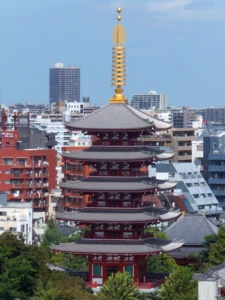
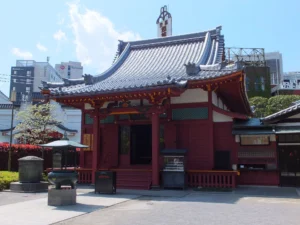
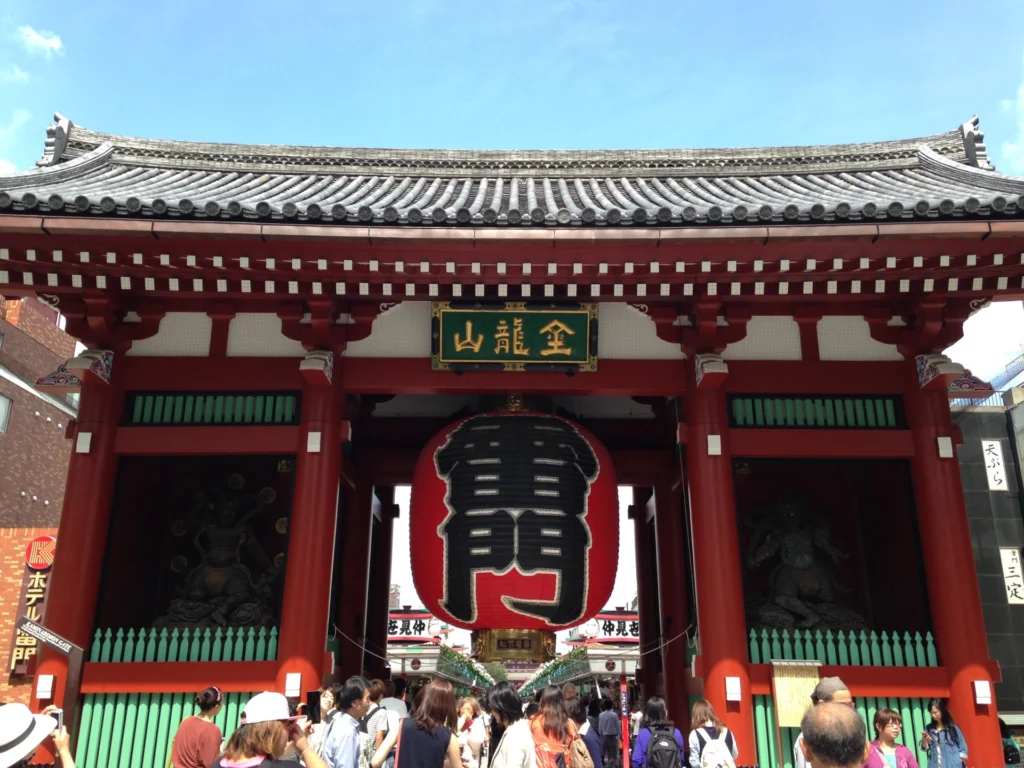
 Photo: そらみみ (Soramimi) / CC BY-SA 4.0, via Wikimedia Commons
- Date
- Thu, Mar 18, 2027
- Location
- Senso-ji Temple (Nakamise and the temple grounds), 2-3-1 Asakusa, Taito City, Tokyo
- Nearest station
- Asakusa Station
- Category
- Traditional Experiences
- Admission
- Free
Add to Google Calendar Download .ics
Kinryu-no-Mai (Golden Dragon Dance) is a temple dance at Senso-ji in Asakusa. A golden dragon about 18 meters long, worked by eight people, dances through Nakamise and the temple grounds. The main performance is on March 18, the Honzon Jigen-e, which celebrates the day in 628 when the temple’s Kannon statue was found in the Sumida River. The temple lists March 18 and October 18 as the dance days every year, so the next one is Thursday, March 18, 2027. For the area, see our Asakusa guide.
Quick answer
Dates: March 18, 2027.
Where: Senso-ji Temple (Nakamise and the temple grounds).
Getting there: Asakusa Station.
Admission: Free.
Quick facts
| Dates every year | March 18 (Honzon Jigen-e) and October 18 |
| Next date | Thursday, March 18, 2027 (last checked: November 2026). The temple has not published the dance times |
| Where | Senso-ji: Nakamise and the temple grounds. On March 18 the dance is performed on the west side of the grounds |
| On March 18 | A procession of priests from Denbo-in along Nakamise to the main hall, then a service in the main hall from 14:00 |
| The dragon | About 18 m long, about 88 kg, worked by 8 people. It follows the Renge-ju, a lotus jewel that stands for Kannon |
| Admission | Free (Senso-ji grounds; GO TOKYO) |
| Nearest station | Asakusa Station (Tokyo Metro Ginza Line, Toei Asakusa Line, Tobu Skytree Line, Tsukuba Express), 5 minutes on foot |
| Last checked | November 2026 (on November 14, 2026) |
Why March 18
According to the temple’s history, on March 18, 628, two fisher brothers, Hinokuma Hamanari and Takenari, found a small golden statue in their net in the Sumida River. The local leader Hajino Nakatomo saw that it was Kannon (the Buddhist figure of compassion), became a monk and enshrined it. This is how Senso-ji began. Every year on March 18, the temple holds the Honzon Jigen-e (“the day the main Buddha appeared”).
The three men linked to the statue were later honored as gods at Asakusa Shrine, next to the main hall, home of the Sanja Matsuri. Until Shinto and Buddhism were separated in the Meiji era (from 1868), that festival was held around March 18 because of this story.
The golden dragon
The dance was created in 1958 to celebrate the rebuilding of the main hall after World War II. Its name comes from Senso-ji’s mountain name, Kinryuzan (“golden dragon mountain”). The Renge-ju, a lotus jewel that stands for Kannon, goes first, and the golden dragon follows to guard it, to festival music by the Kinryu Asakusa Kumiai Hanagumi.
The numbers are not random: Kannon’s monthly festival day is the 18th, so the dragon is about 18 meters long, weighs about 88 kilograms and is worked by 8 people.
The day before: mikoshi in the main hall
On the evening of March 17, by the light of torches, Asakusa Shrine’s three main mikoshi (portable shrines) are carried up into Senso-ji’s main hall. A service is held with local leaders and the chief priest of Asakusa Shrine, and the mikoshi stay in the hall overnight. They are carried back down on March 18.
Tips for watching
- Check the times first. The temple publishes the 14:00 service, but not the dance times. Look at the official site or ask the temple before you go.
- Red talisman: only on March 18, the temple offers the beni-fuda, a prayer talisman wrapped in red paper. It needs an application.
- Second chance: if you miss March, the dance is also performed on October 18.
- Main hall hours: 6:30 to 17:00 from October to March, 6:00 to 17:00 from April to September.
Getting there
Asakusa Station is 5 minutes on foot from Senso-ji on the Tokyo Metro Ginza Line, Tobu Skytree Line and Tsukuba Express, and from Exit A4 on the Toei Asakusa Line. Walk through the Kaminarimon gate and along Nakamise to the main hall.
More in March: see Tokyo in March and our Tokyo events calendar.
Where to stay nearby
FAQ
When is Kinryu-no-Mai in 2027?
On Thursday, March 18, 2027, the day of the Honzon Jigen-e. Senso-ji lists March 18 and October 18 as the dance days every year. The temple has not published the dance times.
What time does the Golden Dragon Dance start?
The temple does not publish the dance times on its site. On March 18 the service in the main hall starts at 14:00, after a procession along Nakamise. Check with the temple before you go.
Is Kinryu-no-Mai free to watch?
Yes. The dance is performed in Nakamise and the Senso-ji grounds, which are free to enter.
Why is the dragon 18 meters long?
Kannon’s monthly festival day is the 18th, so the dragon is about 18 m long, weighs about 88 kg and is worked by 8 people.
Is there another chance to see the dance?
Yes. Senso-ji also performs the Golden Dragon Dance on October 18 every year.
Sources
The dates, history and details come from Senso-ji’s official site, and the access and admission from GO TOKYO. Last checked: November 2026 (on November 14, 2026). The temple has not published the dance times, so please check before you go.
Plan your visit around Asakusa
Nearby Hotels
Find Hotels NearbyOpens a search for Asakusa on Expedia in a new tab. Some links are affiliate links: we may earn a commission at no extra cost to you. Learn more
Last checked: Nov 14, 2026. Details can change, so check the official website before you go.