 Photo: tak1701d / CC BY-SA 3.0, via Wikimedia Commons
- Date
- Mon, Feb 8, 2027
- Location
- Awashima-do Hall, Senso-ji Temple, 2-3-1 Asakusa, Taito City, Tokyo
- Nearest station
- Asakusa Station
- Category
- Traditional Experiences
- Admission
- Free
Add to Google Calendar Download .ics
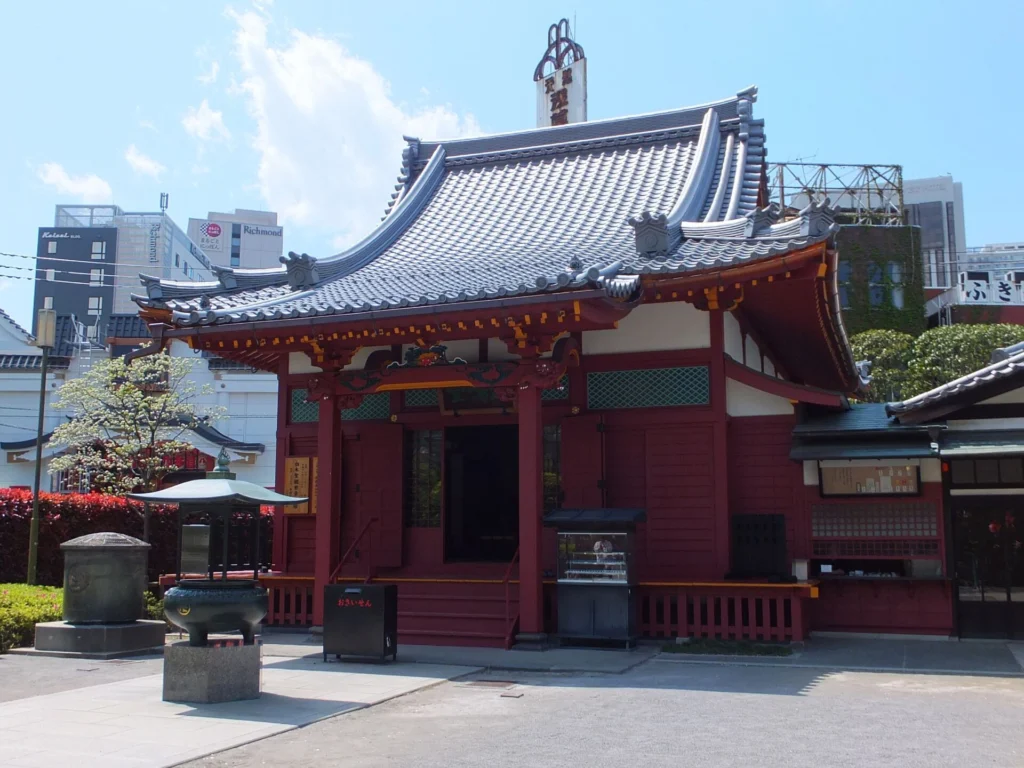
Hari-kuyo (“memorial service for needles”) is a quiet Buddhist ceremony at Senso-ji Temple in Asakusa, held every year on February 8. People bring old, bent or broken sewing needles and push them into a block of soft tofu at Awashima-do, a small hall in the temple grounds. It is a way to thank the needles for their work and to pray for better sewing skills. The next Hari-kuyo is on Monday, February 8, 2027. For the area, see our Asakusa guide.
Quick answer
Dates: February 8, 2027.
Where: Awashima-do Hall, Senso-ji Temple.
Getting there: Asakusa Station.
Admission: Free.
Quick facts
| Next date | Monday, February 8, 2027. Senso-ji lists Hari-kuyo on February 8 every year |
| Time | The memorial service starts at 11:00, and people visit all day (Senso-ji) |
| Where | Awashima-do Hall, inside the Senso-ji grounds, Asakusa |
| What happens | Visitors push old needles into soft tofu inside the hall. A memorial service is held in front of the Konshin Kuyo-to (needle memorial tower) |
| Who can join | The temple says many people bring needles, mainly women who sew. Senso-ji does not list any rules or fees for this |
| Nearest station | Asakusa Station (Tokyo Metro Ginza Line, Toei Asakusa Line, Tobu Skytree Line, Tsukuba Express), 5 minutes on foot to Senso-ji |
| Last checked | November 2026 (on November 14, 2026) |
What is Hari-kuyo?
In Japan, hari-kuyo is an old custom of saying thank you to needles that can no longer be used. People push the needles into something soft, like tofu or konnyaku (a firm jelly made from a root vegetable), so the needles can “rest”. At the same time they pray for safety and better skill in their sewing. Senso-ji says the custom is held mainly at shrines and halls for Awashima-myojin, a deity that people pray to for the protection of women.
At Senso-ji, the custom grew in the Edo period (1603-1868). People called “Awashima gannin” walked around Edo and told women about the blessings of Awashima-myojin. The temple says this helped Hari-kuyo become popular.
The day at Awashima-do
- All day: visitors come to Awashima-do with their old needles and push them into the tofu set up inside the hall.
- 11:00: a memorial service at the Konshin Kuyo-to, the needle memorial tower in the Awashima-do area. Members of the Kinryu-ko group sing Buddhist hymns (goeika).
- Plum blossoms: the temple notes that plum trees are often in bloom around Hari-kuyo.
About Awashima-do Hall
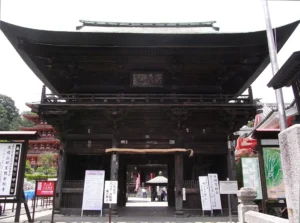
Awashima-do was built in the Genroku era (1688-1704), when the deity of Awashima Shrine in Kada (now Wakayama Prefecture) was brought to Senso-ji. After the main hall burned in the 1945 air raids, this building served for a time as the temporary main hall. It moved to its present spot in 1994. The needle memorial tower in the Awashima-do area was built in 1982 by teachers of kimono sewing.
Tips for visiting
- Be respectful. This is a religious service, not a show. Keep your voice down and do not block the people who come to pray.
- Photos: take care not to get in the way inside or near the hall.
- Come before 11:00 if you want to see the memorial service.
- Combine it with the rest of Senso-ji. In early February the temple also holds Setsubun (around February 3).
- Check before you go. Senso-ji lists the date, but details can change.
Getting there
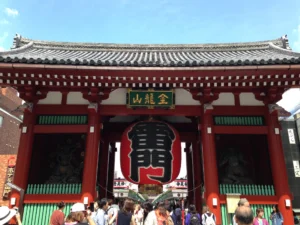
Go to Asakusa Station. Senso-ji is about 5 minutes on foot. Walk through the Kaminarimon gate and along Nakamise. Awashima-do is a separate small hall in the temple grounds. If you cannot find it, ask at the temple or check the grounds map on the Senso-ji website.
More February ideas: see Tokyo in February and the Tokyo events calendar.
Where to stay nearby
FAQ
When is Hari-kuyo at Senso-ji in 2027?
On Monday, February 8, 2027. Senso-ji holds it on February 8 every year. The memorial service starts at 11:00, and people visit Awashima-do all day.
What do people do at Hari-kuyo?
They bring old, bent or broken sewing needles and push them into a block of soft tofu at Awashima-do Hall. This thanks the needles for their work and is a prayer for better sewing skills.
Can tourists watch Hari-kuyo?
Senso-ji does not list any ticket or rule for watching. The temple grounds are open to visitors. Please be quiet and respectful, because people come to pray.
Where is Awashima-do?
It is a small hall inside the Senso-ji grounds in Asakusa, separate from the main hall. The needle memorial tower stands in the area around it.
How do I get to Senso-ji?
Go to Asakusa Station on the Tokyo Metro Ginza Line, Toei Asakusa Line, Tobu Skytree Line or Tsukuba Express. Senso-ji is about 5 minutes on foot.
Keep reading
Sources
The date, time and history come from the official Senso-ji website. Last checked: November 2026 (on November 14, 2026). Please check before you go.
Plan your visit around Asakusa
Nearby Hotels
Find Hotels NearbyOpens a search for Asakusa on Expedia in a new tab. Some links are affiliate links: we may earn a commission at no extra cost to you. Learn more
Last checked: Nov 15, 2026. Details can change, so check the official website before you go.