Researched guide · Last checked: Nov 14, 2026
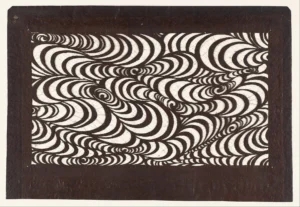
Edo komon is a kimono fabric covered in tiny patterns, made by stenciling paste onto cloth before dyeing. Shinjuku has been a dyeing district for about a hundred years, along the Kanda River. Two workshops there let visitors try stencil dyeing: Tomita Dye Crafts (weekdays) and Some no Sato Ochiai (weekends). Here are their official details.
Quick facts
| Tomita Dye Crafts | Some no Sato Ochiai | |
|---|---|---|
| Where | 3-6-14 Nishiwaseda, Shinjuku-ku (Tokyo Some Monogatari Museum) | 2-3-6 Kamiochiai, Shinjuku-ku |
| Access | 2 min from Omokagebashi stop (Toden Arakawa Line) | 4 min from Nakai Station (Toei Oedo and Seibu Shinjuku lines) |
| What you make | Tote bag (same day), or small cloth / fukusa (ready in about 4 weeks) | Table runner in Edo sarasa style (14 stencils, 7 colors) |
| Price | Tote bag ¥3,000; small cloth ¥3,000; fukusa ¥5,000 | ¥4,840 (tax and materials included, from June 2026) |
| Time | About 1.5 to 2 hours, with a factory tour | About 2 to 2.5 hours |
| When | Weekdays only | Saturdays 13:00, Sundays 10:00 (some Wednesdays 13:00) |
| Booking | Online form or fax (no phone bookings) | Online form, by the day before |
| Language | Japanese only | Not stated; ask when you book |
| Last checked | November 2026 (on November 14, 2026) |
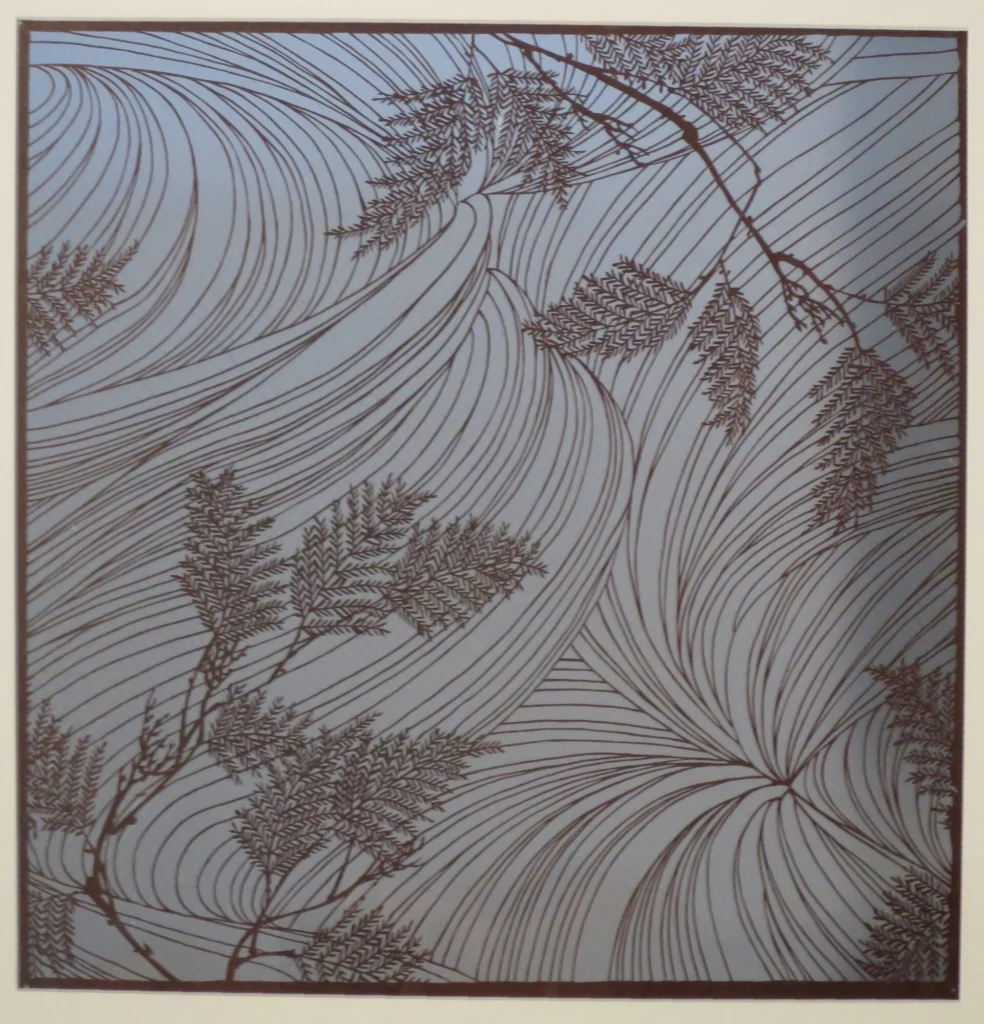
Tomita Dye Crafts (Tokyo Some Monogatari Museum)
Tomita Dye Crafts has dyed kimono fabric since 1882 and moved to its current site by the Kanda River in Waseda in 1914. Its workshop has a small museum, the Tokyo Some Monogatari Museum. Part of the factory is free to look around; the full tour comes with an experience plan.
- Tote bag (¥3,000): lay a stencil on the bag and spread paste with a spatula to print the pattern. Choose from flowers of the 12 months or a tanuki (raccoon dog) pattern, in white or gold. You take it home the same day.
- Small cloth, kogire (¥3,000): a craftsman guides you as you put paste through a stencil with a tiny cherry-blossom pattern (red only). The finished cloth is ready in about 4 weeks; shipping costs ¥500 within Japan.
- Fukusa, a silk wrapping cloth (¥5,000): the same pattern in red, green or purple, also ready in about 4 weeks.
- Every plan includes a factory tour led by a craftsman (about 15 minutes) and a video about kimono dyeing (about 15 minutes).
- Start times: 9:00, 10:00, 13:30, 14:00 or 14:30, on weekdays (not over New Year or the summer Obon holidays).
- Booking: through the reservation form on the official site, or by fax. Phone bookings are not accepted. The workshop replies by email or fax to fix the date.
- Language: the official site says the experience is in Japanese only, and suggests bringing an interpreter.
- Payment: on the day, in cash or by card (Visa, Mastercard, JCB, American Express, Diners Club, Discover). No e-money.
If you are visiting from abroad, the tote bag is the plan you can take home the same day.
Some no Sato Ochiai
Some no Sato Ochiai is a dye workshop near Nakai Station. GO TOKYO notes that its hand-printing methods go back to the Edo period (1603–1868).
- Regular dyeing experience: dye one design onto a table runner using 14 paper stencils and 7 dye colors, in the Edo sarasa style. A craftsman guides you.
- Price: ¥4,840 per person, tax and materials included (price from June 2026).
- Time: about 2 to 2.5 hours. Every Saturday from 13:00 and every Sunday from 10:00; some Wednesdays from 13:00.
- Booking: through the online form on the official page, by the day before. Cancel by the day before by email or phone (03-3368-8133).
- Bring: an apron.
- Payment: cash, credit card, PayPay or a transport IC card.
- Elementary school children can join; children below 4th grade need a parent with them.
- Open Tuesday to Sunday, 11:00–17:00; closed Mondays.
Good to know
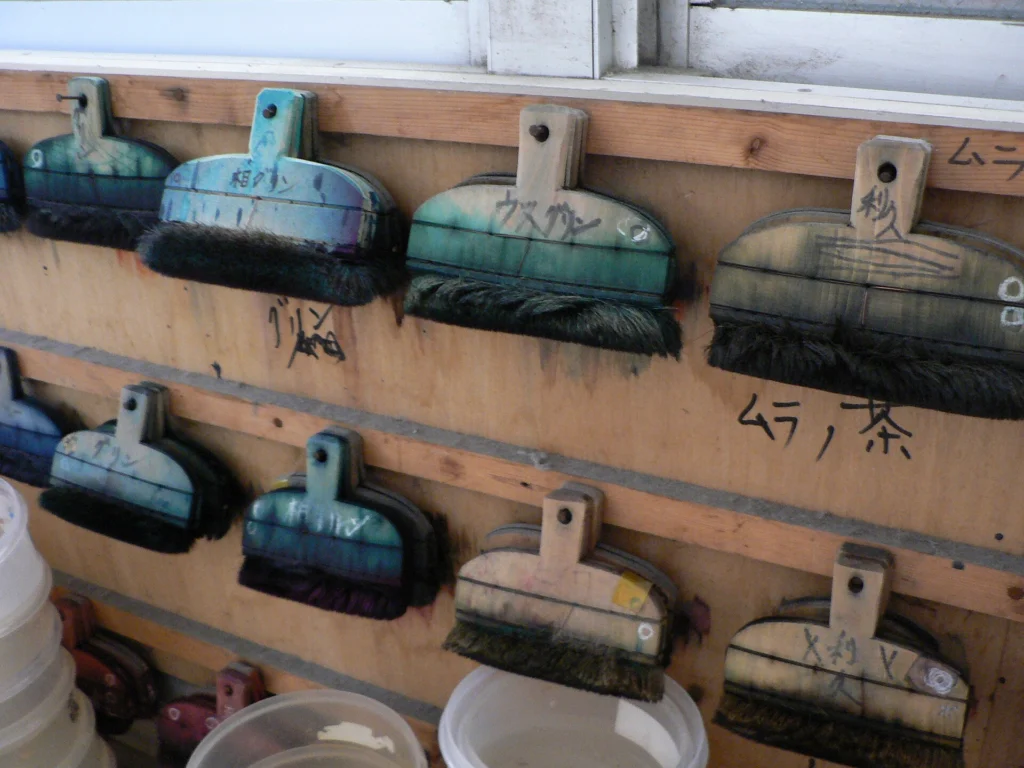
- Wear clothes you do not mind getting dirty. Tomita lends aprons if you ask.
- Tomita is a working factory: floors can be wet, some ceilings are low, and the factory is close to outdoor temperature. Do not ask craftspeople to stop work for photos.
- Tomita is not barrier-free; some areas can be visited with a helper.
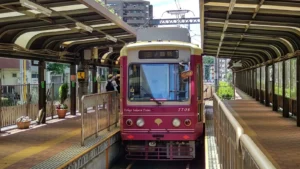
- Tomita is near the Toden Arakawa Line; see our Tokyo Sakura Tram guide. Higo Hosokawa Garden is also in the area.
- More dyeing: tenugui dyeing in Katsushika and indigo dyeing near Asakusa. Also see our Shinjuku guide.
FAQ
What is Edo komon?
A kimono fabric covered with very small patterns. Paste is spread through a paper stencil before dyeing, so the pattern stays undyed.
Where can I try Edo komon dyeing in Tokyo?
At Tomita Dye Crafts (Tokyo Some Monogatari Museum) in Nishiwaseda, Shinjuku, on weekdays.
Can I take my work home the same day?
At Tomita, the tote bag plan, yes. The small cloth and fukusa are ready in about 4 weeks, and shipping is within Japan.
Is there a weekend option?
Yes. Some no Sato Ochiai holds its regular stencil-dyeing experience on Saturday and Sunday.
Are the classes in English?
Tomita’s experience is in Japanese only, and it suggests bringing an interpreter. Ask Some no Sato Ochiai about language when you book.
Keep reading
Sources
This guide is based on the official information below, not on our own visit. Last checked: November 2026 (on November 14, 2026). Prices and schedules change, so please check before you book.
- Tomita Dye Crafts / SARAKICHI: experience plans and FAQ (official, Japanese)
- Tomita Dye Crafts: tote bag plan (official, Japanese)
- Tomita Dye Crafts: small cloth plan (official, Japanese)
- Tomita Dye Crafts: about and history (official)
- Some no Sato Ochiai: regular dyeing experience (official, Japanese)
- GO TOKYO: Tokyo Some-Komon Tour & Workshop
- GO TOKYO: Dyeing Workshop (Some no Sato Ochiai)