Researched guide · Last checked: Nov 14, 2026
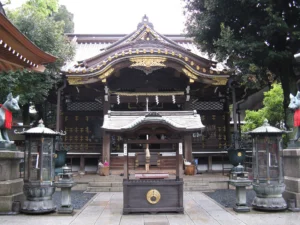
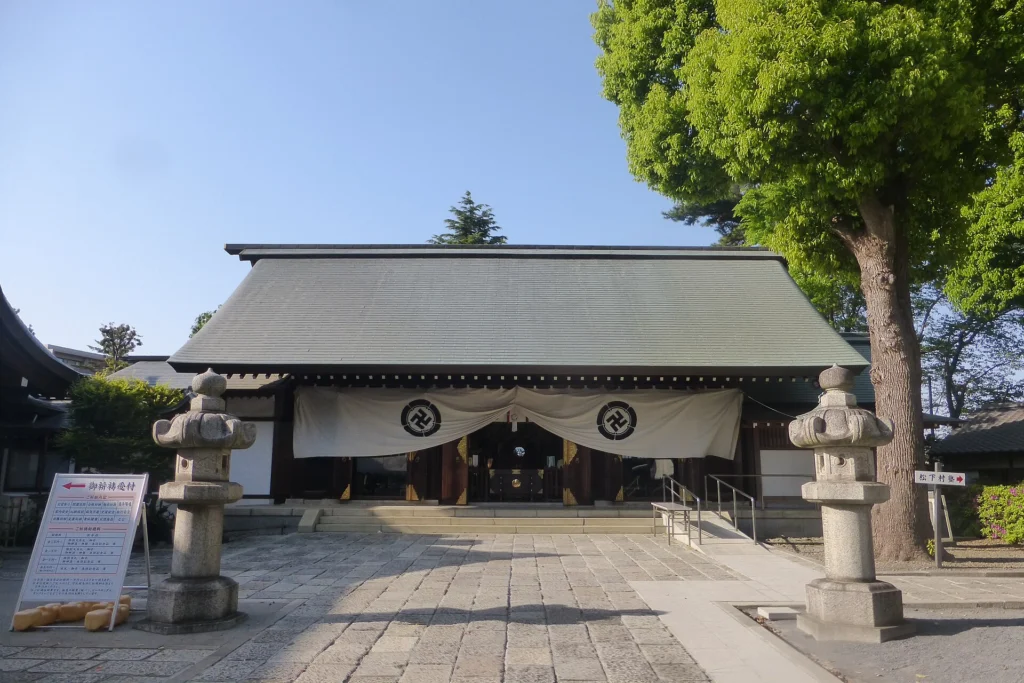
Shoin Shrine (Shoin-jinja) is a Shinto shrine in Wakabayashi, Setagaya City. It honors Yoshida Shoin, a teacher and thinker of the 1850s. His students, including Takasugi Shinsaku and Ito Hirobumi, reburied him here in 1863. The shrine was founded in 1882, and its present hall was built in 1927-28. Today many people visit to pray for success in study and exams.
Quick facts
| What it is | A Shinto shrine for Yoshida Shoin, founded in 1882 |
| Gate hours | 7:00-17:00 |
| Amulet counter | 9:00-17:00 (except office closing days) |
| Address | 4-35-1 Wakabayashi, Setagaya City |
| Nearest station | Shoin-jinja-mae Station (Tokyu Setagaya Line), about 3 minutes on foot |
| Last checked | November 2026 |
Who was Yoshida Shoin?
Yoshida Shoin was a samurai from the Choshu domain (today’s Yamaguchi). He taught young men at a small school called Shoka Sonjuku. Many of his students later helped build modern Japan after 1868. He was executed in 1859, at the age of 30, during a crackdown by the shogun’s government.
What to see
- Main hall: built in 1927-28. The first hall from the shrine’s founding is now kept as the inner part of the main hall.
- Graves of Shoin and others: Shoin’s grave stands with the graves of other loyalists of his time. The torii (gate) at the entrance was given by Kido Takayoshi, who led the repair of the graves in 1868.
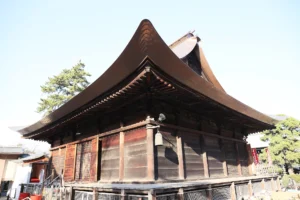
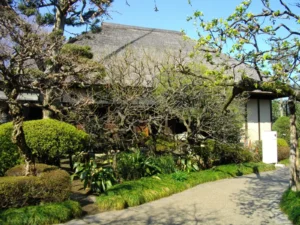
- Shoka Sonjuku replica: a copy of Shoin’s school in Hagi, Yamaguchi. It was built in 1938 with materials from Hagi and moved here in 1941. The shutters are open on weekends and holidays, 9:00-16:00, except in bad weather.
- Stone lanterns: 32 lanterns given by the Mori family and Shoin’s followers, such as Ito Hirobumi and Yamagata Aritomo.
- Statue of Shoin: a bronze statue cast from a plaster figure made in 1890.
Tips
- The graves are a quiet place. Keep your voice low and do not touch the gravestones.
- The main autumn festival is on October 27, the day Shoin died. Check the shrine’s news page for other events.
- The street from the station to the shrine is Shoin Jinja-dori, a small local shopping street.
Getting there
- Shoin-jinja-mae Station (Tokyu Setagaya Line): walk north along Shoin Jinja-dori, about 3 minutes.
- By bus from Shibuya Station: Shibu 21, 22, 23 or 24 (Tokyu Bus) or Shibu 26 (Odakyu Bus) to the Shoin-jinja-mae stop.
On the same train line, you can visit Gotokuji Temple. In December and January, the Setagaya Boro-ichi market is held nearby. For a full day in the area, see our Setagaya guide and our shrine and temple etiquette guide.
FAQ
Who is enshrined at Shoin Shrine?
Yoshida Shoin, a teacher and thinker of the late Edo period. His grave is also in the shrine grounds.
What is Shoka Sonjuku?
It was Shoin’s small private school in Hagi, Yamaguchi. Shoin Shrine has a copy of it, built in 1938 with materials from Hagi and moved here in 1941.
When can I see inside the Shoka Sonjuku replica?
The shrine says its shutters are open on weekends and holidays, 9:00-16:00. They stay closed in wind or rain.
What time is Shoin Shrine open?
The gates are open 7:00-17:00. The amulet counter is open 9:00-17:00, except on office closing days.
How do I get to Shoin Shrine?
Take the Tokyu Setagaya Line to Shoin-jinja-mae Station. Walk north along Shoin Jinja-dori for about 3 minutes.
Keep reading

Sources
Facts come from Shoin Shrine’s official website (Last checked: November 14, 2026). This page is based on official sources, not our own visit. Last checked: November 2026 (on November 14, 2026).