Researched guide · Last checked: Nov 13, 2026
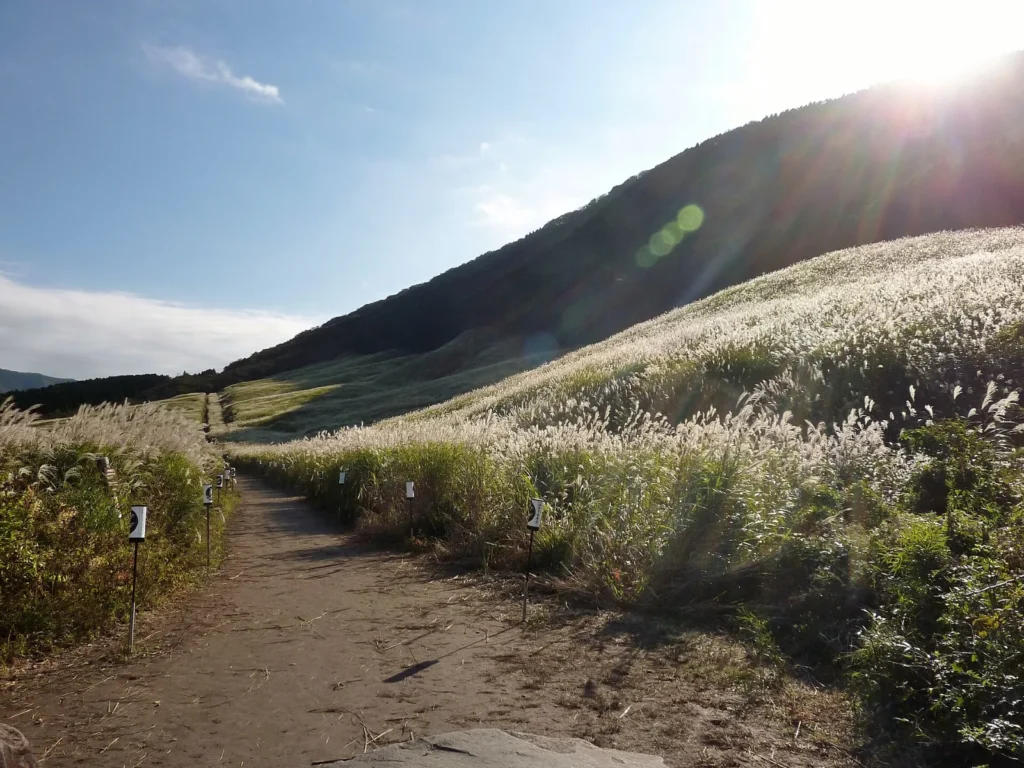
The Sengokuhara pampas grass fields cover the slopes of Mt Daigatake in Hakone. In autumn the susuki (Japanese pampas grass) turns silver and gold, best from late September to early November. It is free, and a straight path of about 700 m runs through the field. Outside autumn it is a green field, so plan your trip for the season.
Quick answer
Entry: Free.
Nearest bus stop: Sengoku Annaijo-mae (Hakone Tozan Bus): about 30 minutes from Hakone-Yumoto Station.
Best season: Late September to early November (the Hakone tourism association says the gold color peaks from late September to late October)
Quick facts
| Best season | Late September to early November (the Hakone tourism association says the gold color peaks from late September to late October) |
| Entry | Free |
| Path | A straight path of about 700 m through the field |
| Other seasons | Green in spring and summer; a controlled burn in March keeps the field open |
| Nearest bus stop | Sengoku Annaijo-mae (Hakone Tozan Bus): about 30 minutes from Hakone-Yumoto Station |
| Last checked | November 2026 (on November 13, 2026) |
What you can see
Kanagawa Prefecture’s tourism site says the susuki grows on the slopes of Mt Daigatake. It is green in spring and golden in autumn. As autumn goes on, the plumes open and the field changes from silver to gold. Sengokuhara is a highland area at about 650 m, surrounded by Hakone’s outer rim mountains.
- The about 700 m path goes straight through the field, between tall grass.
- The field is one of Kanagawa’s 50 scenic spots.
- Every March the field is burned to stop trees from growing, which keeps the view the same each year.
Visiting outside autumn
The famous golden view is only in autumn. In spring and summer the field is green, and right after the March burn it is black. If you visit outside autumn, enjoy it as a wide open grassland, and combine it with Sengokuhara’s museums.
Good to know
- Autumn weekends are very busy. Seasonal parking lots open from September to November.
- Hakone Town tourist information: 0460-85-5700.
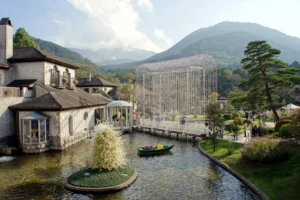
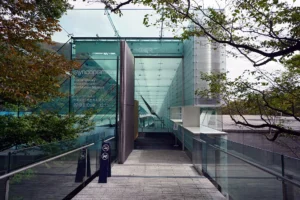
- Sengokuhara has several museums nearby, such as the Glass Forest and the Pola Museum.
Plan your day with our Hakone day trip guide, and add the Hakone Glass Forest Museum or the Pola Museum of Art.
Getting there
- From Hakone-Yumoto Station: Hakone Tozan Bus (route T), about 30 minutes to Sengoku Annaijo-mae.
- From Gora Station: sightseeing bus (route S), about 20 minutes to Sengoku Annaijo-mae.
FAQ
When is the best time to see the pampas grass?
From late September to early November, according to Kanagawa Prefecture. The Hakone tourism association says the gold color peaks from late September to late October.
Is it free?
Yes. The grass fields are free to visit.
How do I get there?
Take the Hakone Tozan Bus (route T) from Hakone-Yumoto Station, about 30 minutes, to Sengoku Annaijo-mae.
Is it worth visiting in summer?
It is a green grassland in spring and summer, not golden. Go in autumn for the famous view.
Why is the field burned in March?
A controlled burn stops trees from growing and keeps the grassland view each year.
Sources
Facts on this page come from the official sources below. Last checked: November 2026 (on November 13, 2026). Hours and prices can change, so please check before you go.