Researched guide · Last checked: Nov 12, 2026
Mizumoto Park, in Katsushika City in the far east of Tokyo, is built along the Koai-tame reservoir. The Tokyo Metropolitan Park Association says it is the only park in Tokyo with a “suigo” (waterside village) landscape, with canals running through it. It has a forest of about 1,500 metasequoia trees and an iris garden with about 200,000 irises that bloom in June. The park is free and always open. For nearby sights, see Shibamata Taishakuten.
Quick answer
Hours: always open. Free (some facilities are paid). About 96.7 hectares.
Highlight: about 14,000 clumps of irises bloom from early to late June.
Getting there: bus from Kanamachi Station (JR, Chiyoda Line) or Keisei-Kanamachi Station to “Mizumoto Koen”, then 7 minutes on foot.
Quick facts
| Opening | Always open (the service centre and some facilities close at New Year) |
| Price | Free (some facilities are paid) |
| Metasequoia forest | About 1,500 trees, the largest of any Tokyo metropolitan park |
| Iris garden | About 14,000 clumps of 100 varieties (about 200,000 irises), early to late June. The largest in Tokyo |
| Size | About 96.7 hectares |
| Access | Bus from Kanamachi Station (JR, Chiyoda Line) or Keisei-Kanamachi Station to “Mizumoto Koen”, then 7 minutes on foot |
| Last checked | November 2026 (on November 12, 2026) |
What to see
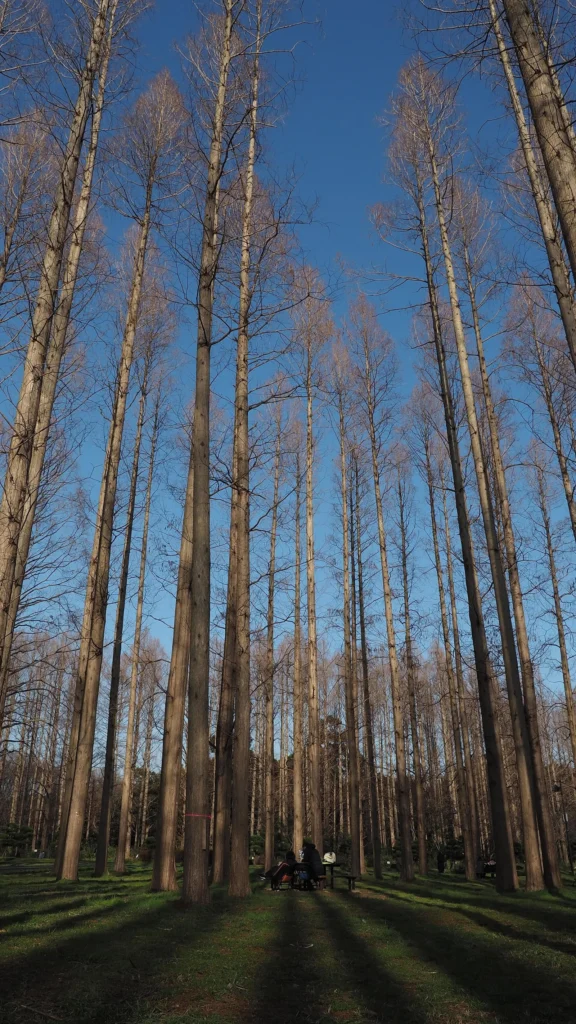
- Metasequoia forest: about 1,500 metasequoia trees, a tree known as a “living fossil”. The park association calls it the largest such forest in Tokyo’s metropolitan parks.
- Iris garden: about 200,000 irises bloom from early to late June, and an iris festival is held then.
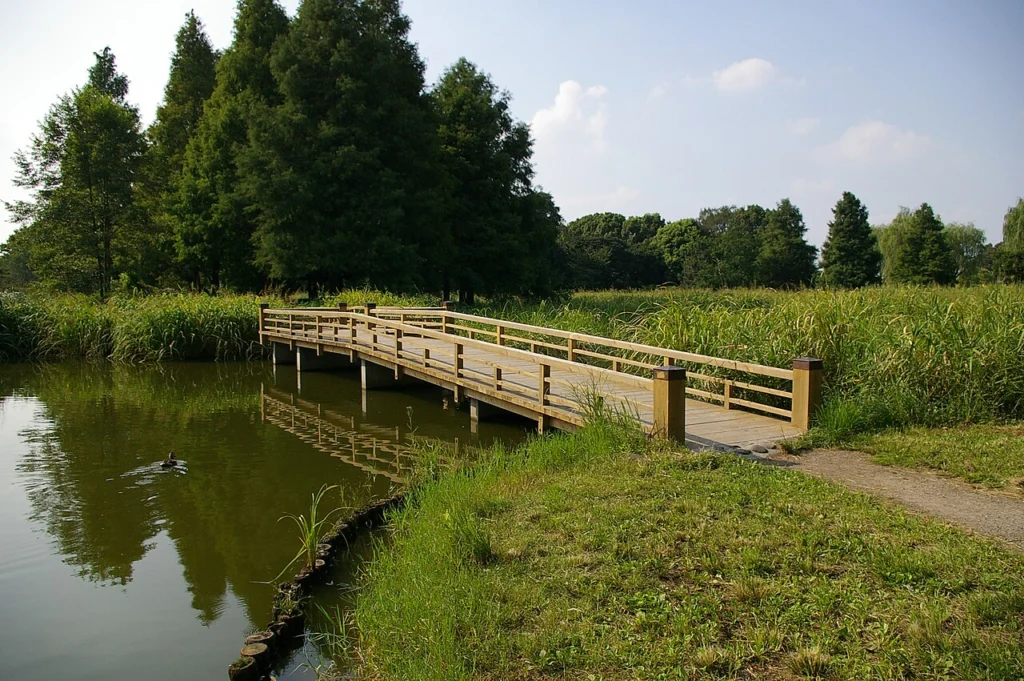
- Waterside landscape: canals from the Koai-tame reservoir run through the park, with poplar rows, alder trees and water plants such as water lilies.
- Mizube no Sato: a conservation area for water plants, open 9:00 to 16:30 (last entry 16:00), closed on Mondays and at New Year.
Seasons
June is the time for irises. The park lists autumn leaves among its photo spots, and the metasequoia forest changes colour through the year. Check the park’s official page for events and current conditions.
Getting there
- From Kanamachi Station (JR Joban Line, connected to the Chiyoda Line) or Keisei-Kanamachi Station: Keisei Bus bound for Togasaki Soshajo or Nishi-Mizumoto 3-chome, get off at “Mizumoto Koen”, then 7 minutes on foot.
- On weekends and holidays from March to November, a park loop bus runs from Kanamachi Station from 9:00 to 16:40.
- Paid parking is available.
Combine it with Shibamata Taishakuten, also in Katsushika City.
Nearby and related: Kameari, the home of KochiKame.
FAQ
Is Mizumoto Park free?
Yes. Entry is free; some facilities are paid.
When do the irises bloom?
From early to late June.
How many metasequoia trees are there?
About 1,500.
How do I get there?
Take a Keisei Bus from Kanamachi Station to “Mizumoto Koen” and walk 7 minutes.
Is the park open at night?
The park is always open, but the service centre and some facilities have set hours.
Keep reading
Sources
Facts, opening, fees and access come from the Tokyo Metropolitan Park Association’s official page for Mizumoto Park. Last checked: November 2026 (on November 12, 2026). Please check before you go.
Also nearby: Katsushika guide