Researched guide · Checked on Nov 3, 2026
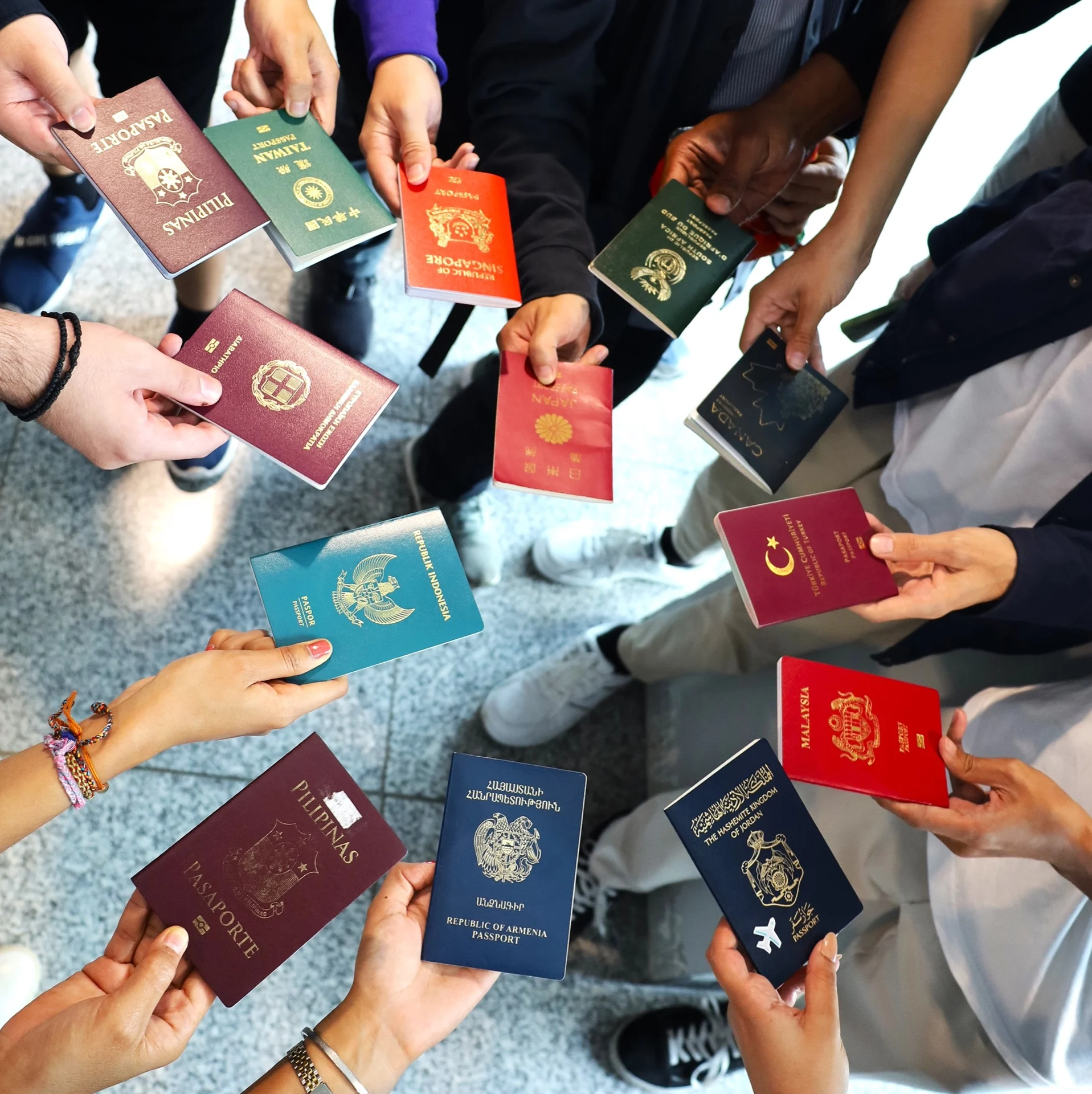
Planning a trip to Tokyo, Kyoto or anywhere else in Japan and wondering whether you need a visa? The rules are the same for the whole country. For many travelers the answer is no: Japan lets citizens of dozens of countries visit for tourism without a visa. Others need to apply before they fly. Here is how to check, based on Japan’s Ministry of Foreign Affairs.
Quick answer
Visa-free: Japan has visa exemption arrangements with 74 countries and regions, including the US, Canada, the UK, most of Europe, Australia, New Zealand, South Korea, Singapore and Taiwan (as of the Ministry’s September 2025 list).
How long: usually up to 90 days, for tourism, business meetings or visiting friends and family. Paid work is not allowed.
Need a visa? Apply at a Japanese embassy or consulate (or online for some countries) before you travel. You cannot get one on arrival.
Coming later: Japan plans an online pre-travel check called JESTA for visa-free visitors, aiming for fiscal year 2028. It is not required yet.
What “short-term stay” covers

Japan’s short-term stay is for visits of up to 90 days for tourism, business, visiting friends or relatives and similar purposes, as long as you are not paid for work in Japan. If you want to work or stay longer, you need a different visa, usually starting with a Certificate of Eligibility from the Immigration Services Agency.
A visa (or visa exemption) does not guarantee entry: the immigration officer at the airport grants landing permission when you arrive.
Countries and regions that don’t need a visa

The Ministry of Foreign Affairs lists 74 countries and regions with visa exemption arrangements. Some examples:
| Region | Examples |
|---|---|
| Asia | Republic of Korea, Singapore, Taiwan, Hong Kong, Macao, Malaysia, Thailand, Indonesia, Brunei |
| North America | United States, Canada |
| Europe | United Kingdom, Ireland, France, Germany, Italy, Spain, Netherlands, Switzerland, the Nordic countries and many more |
| Oceania | Australia, New Zealand |
| Latin America | Mexico, Brazil, Argentina, Chile and others |
| Middle East and Africa | Israel, Türkiye, United Arab Emirates, Qatar, Mauritius, Tunisia and others |
Check the full list for your passport before you book; it changes from time to time.
How long you can stay
- Most visa-exempt visitors can stay up to 90 days.
- Indonesia and Thailand: 15 days. Brunei and Qatar: 30 days.
- Some countries (including the UK, Ireland, Germany, Switzerland, Austria, Liechtenstein and Mexico) have arrangements that allow up to six months, but you must apply to extend at a regional immigration bureau before your 90 days run out.
Passport conditions for some countries
- Some nationalities are visa-free only with an ePassport that meets ICAO standards, for example Thailand, Brazil, the United Arab Emirates, Serbia, Panama, Paraguay, Peru and Montenegro. Without one, you need a visa.
- Indonesian and Qatari citizens must register their ePassport with a Japanese embassy or consulate first.
- Taiwan’s exemption applies to passports with a personal ID number; Hong Kong and Macao’s apply to SAR passports (and BNO passports for Hong Kong residents).
- Uruguay: the new passports issued after April 16, 2025 without a place of birth are not accepted; the exemption applies to the old version.
If you need a visa
- Apply at the Japanese embassy or consulate for where you live, or through an accredited agency or visa application center, as that office specifies.
- Processing usually takes about a week once all documents are in order, but can take longer.
- JAPAN eVISA (online tourist visa): people living in Australia, Brazil, Cambodia, Canada, Saudi Arabia, South Africa, Taiwan, the UK and the US who need a visa can apply on the JAPAN eVISA website. In China, Hong Kong, India, Indonesia, Macau, Mongolia, the Republic of Korea, Singapore and the United Arab Emirates, you apply through an accredited agency and receive an eVISA. In the Philippines and Viet Nam, it is for packaged tours by designated travel agencies. The eVISA is for arrival by air (or by scheduled ferry from Busan or Shanghai).
- Nationals of China, the Philippines, Viet Nam, Russia, CIS countries, Ukraine and Georgia need a visa for short stays; check the embassy for your country.
Beware of unofficial websites that charge fees for visa “services”. Use your embassy’s site or the official JAPAN eVISA site.
Before you fly
- Fill in Visit Japan Web for immigration and customs to get QR codes for arrival.
- Keep your passport with you during your stay; hotels will also ask for it at check-in (see why hotels ask for your passport).
- The Ministry recommends buying travel medical insurance for your trip.
When you land: fingerprints and a photo
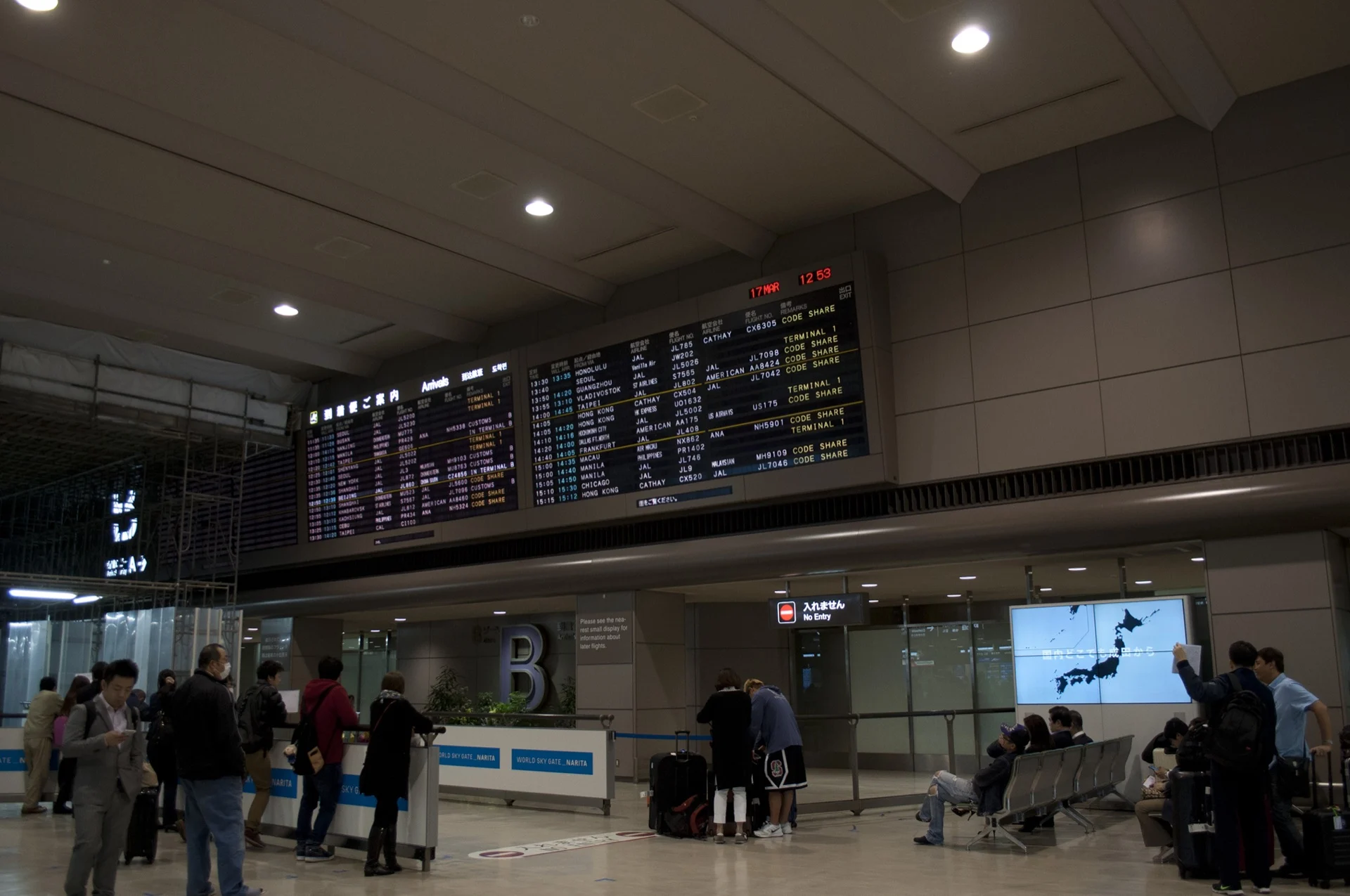
At the immigration counter, show your passport and the Visit Japan Web QR code. Most foreign visitors aged 16 and over then give their fingerprints and have a face photo taken. The officer decides your permitted stay and puts a landing sticker in your passport. Keep it until you leave.
When you leave: the departure tax
- Japan charges an International Tourist Tax every time you leave the country by plane or ship.
- From July 1, 2026, it is ¥3,000 per departure (it was ¥1,000). If your ticket was issued on or before June 30, 2026, the old ¥1,000 rate can still apply.
- It is usually added to your airline or ferry ticket, so you do not pay it at the airport. Children under 2 do not pay.
FAQ
Do US citizens need a visa for Japan?
No, not for short stays. US citizens can visit Japan visa-free for up to 90 days for tourism or business meetings, without paid work.
How long can I stay in Japan without a visa?
Usually up to 90 days. Indonesia and Thailand get 15 days, and Brunei and Qatar 30 days.
Can I get a visa on arrival in Japan?
No. Visas are issued only by Japanese embassies and consulates abroad (or online through JAPAN eVISA for some countries).
Can I work in Japan on a visa exemption?
No. Short-term stay does not allow paid work. You need a work visa for that.
What is JESTA?
JESTA is the online pre-travel authorization Japan plans for visa-free visitors, similar to the US ESTA. The government is aiming for fiscal year 2028. You do not need it yet.
How much is Japan’s departure tax?
¥3,000 per departure from July 1, 2026. It is usually included in your plane or ferry ticket. Children under 2 are exempt.
Do I have to give fingerprints when I arrive in Japan?
Yes, most foreign visitors aged 16 and over give fingerprints and have a face photo taken at immigration.
Related Articles





Sources
Visa rules come from the Ministry of Foreign Affairs of Japan’s visa pages (exemption list updated September 1, 2025; visa page updated June 24, 2026) (checked November 3, 2026). Rules change, so always check the official list or your embassy before you travel.