Researched guide · Checked on Oct 21, 2026
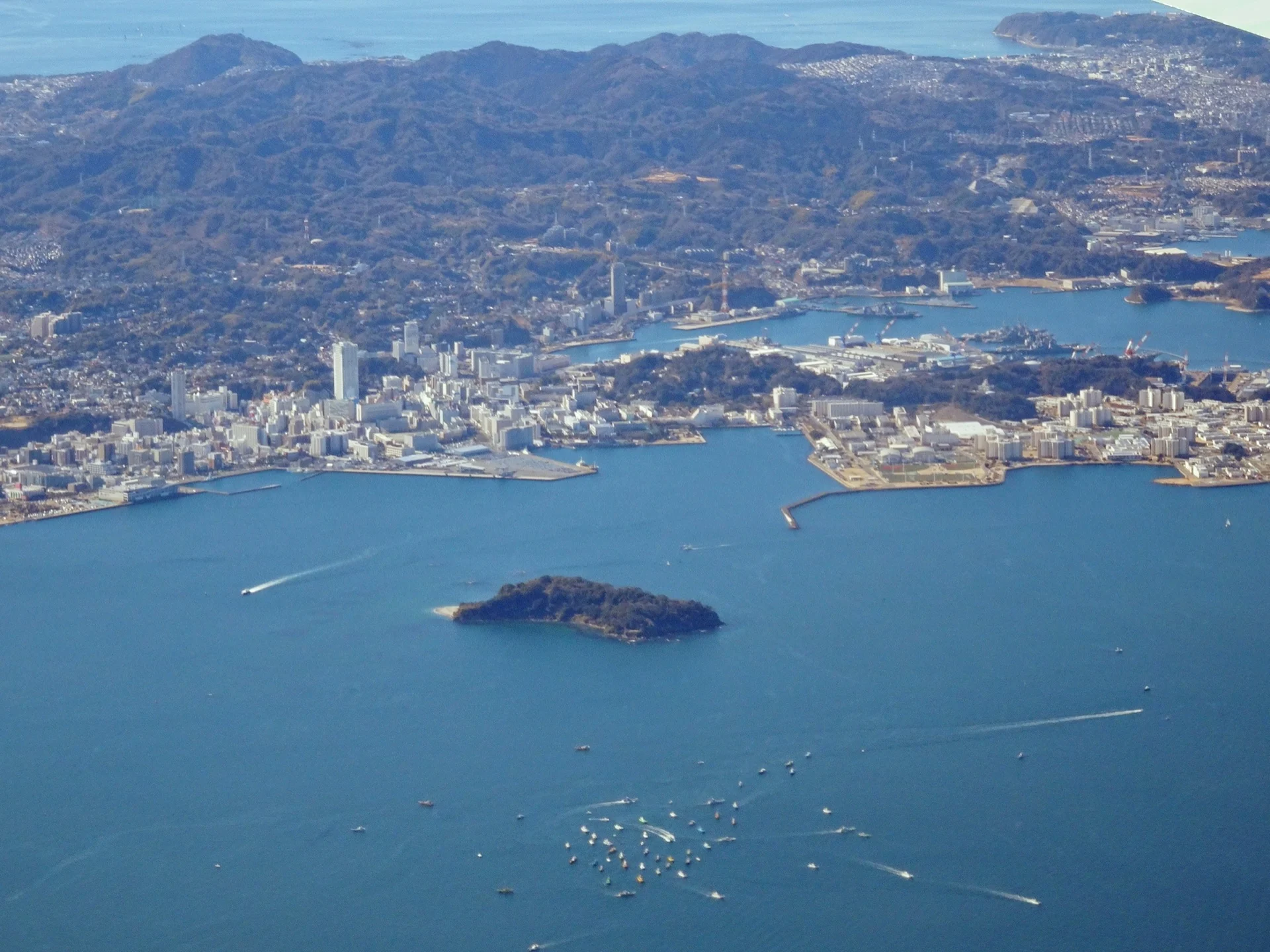
A 10-minute boat ride from Yokosuka takes you to Sarushima, a small wooded island in Tokyo Bay with no residents, brick tunnels from a 19th-century fort, and rocky shores for exploring. The fort ruins are a national historic site, and the island makes an unusual half-day trip from Tokyo or Yokohama.
Quick answer
Getting there: Keikyu Line to Yokosuka-chuo Station, a 15-minute walk to Mikasa Terminal, then a 10-minute ferry.
Cost: return ferry ¥1,600–¥2,000 plus park entry ¥500 for adults (the ferry price depends on the day).
Know before you go: no overnight stays, no pets, no swimming, and no drones.
Brick tunnels and a Meiji-era fort
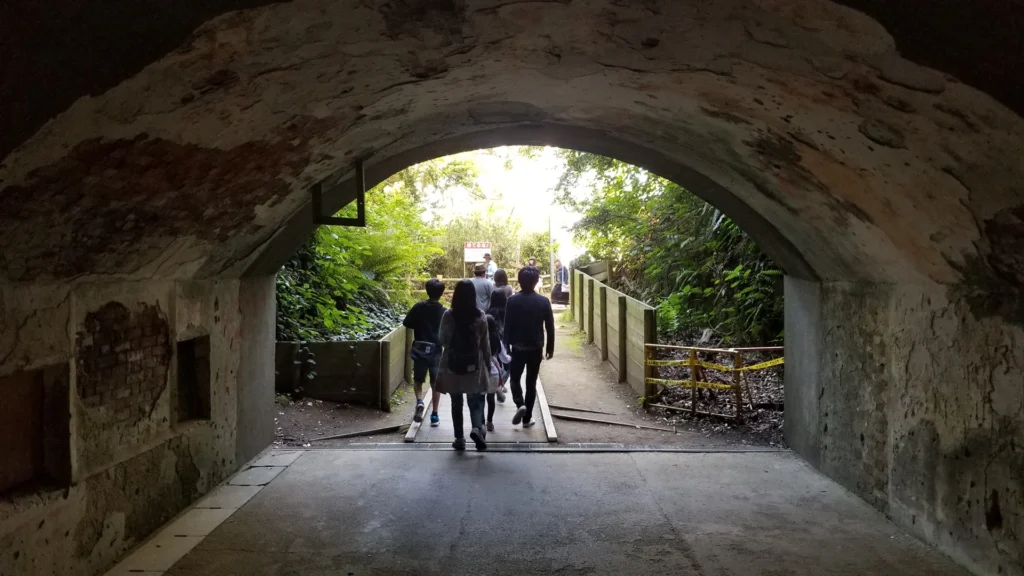
Sarushima was part of the Tokyo Bay fortress that guarded the entrance to the bay. According to Japan’s Agency for Cultural Affairs, the gun battery here was one of the fortress’s earliest, begun in 1881 and finished in 1884. Gun emplacements, ammunition stores, a two-story main magazine, a power house and a brick tunnel survive in good condition, and the site was designated a national historic site in 2015 as part of the Tokyo Bay Fortress ruins.
Because there is no mains electricity on the island, a generator in an old building from the 1890s still makes its power today. You cannot go inside it.
Ferry times and prices
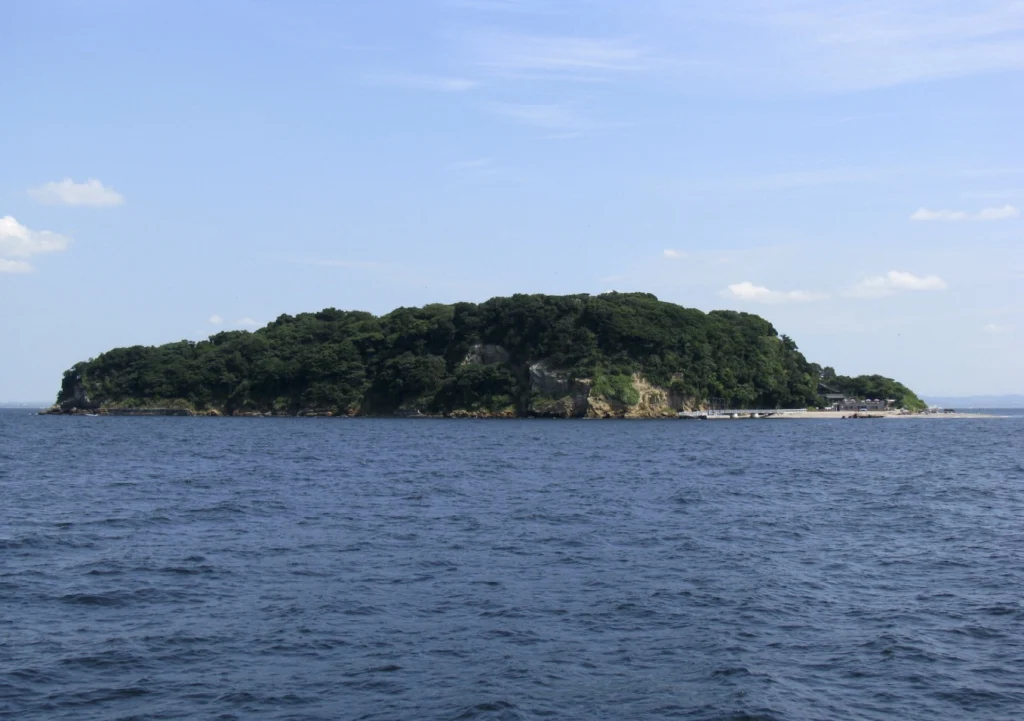
The ferry leaves from Mikasa Terminal (Sarushima Visitor Center) in Yokosuka and takes about 10 minutes. From March 1 to October 31 it runs every day, weather permitting:
| To Sarushima | Back to Yokosuka |
|---|---|
| 9:30 | 9:45 |
| 10:30 | 10:45 |
| 11:30 | 11:45 |
| 12:30 | 12:45 |
| 13:30 | 13:45 |
| 14:30 | 14:45 |
| 15:30 | 15:45 |
| 16:30 | 17:00 |
A separate winter timetable applies from November 1 to the end of February; check the official site. Extra boats may run when a sailing fills up, but on busy days arrive early.
| Ticket (adult) | Price |
|---|---|
| Return ferry | ¥1,600, ¥1,800 or ¥2,000, depending on the day (busier days cost more) |
| Sarushima Park entry | ¥500 (ages 15 and over, not junior high students) |
| Adult total | ¥2,100–¥2,500 |
| Children | Lower fares; elementary school children enter the park free. See the official price table |
- Buy tickets at Mikasa Terminal, right in front of the pier. Each date has a price band shown on the official calendar.
- One child under elementary school age rides free per adult.
- Tickets can be refunded on the day only, before they are torn.
- Lockers (¥500) are in the multipurpose hall of the island’s management building.
On the island
- Explore: walk the trails through the forest to the fort ruins and tunnels, then down to the rocky shore.
- Guided tours: the island runs 30- and 60-minute exploration tours; book at the Sarushima Welcome Center.
- Food and BBQ: Oceans Kitchen serves food, and a beach BBQ area rents all the equipment. You may not bring your own stoves or fuel.
- Fishing: rods can be rented (fishing set ¥2,500).
Island rules
- You cannot stay overnight on the island.
- No pets (except assistance dogs) and no swimming.
- No drones, fireworks or private boats landing.
- No collecting shellfish or seaweed.
- Organized photo sessions with paid participants need permission.
Getting there
- Take the Keikyu Line to Yokosuka-chuo Station and walk about 15 minutes to Mikasa Terminal (27-16 Ogawa-cho, Yokosuka).
- There is no dedicated car park; use nearby coin parking. See our driving in Japan guide.
- Combine the island with lunch in Yokosuka, or with a day in Yokohama or Kamakura.
FAQ
How do I get to Sarushima from Tokyo?
Take the Keikyu Line to Yokosuka-chuo Station, walk about 15 minutes to Mikasa Terminal, then take the 10-minute ferry.
How much does it cost to visit Sarushima?
For an adult, the return ferry costs ¥1,600–¥2,000 depending on the day, plus ¥500 park entry.
Can you stay overnight on Sarushima?
No. Overnight stays are not allowed, and the last ferry back leaves in the late afternoon.
Can you swim at Sarushima?
No. Swimming is not allowed.
Related Articles
Sources
Ferry times, prices and rules come from Sarushima Park’s official site; the history comes from the Agency for Cultural Affairs’ Cultural Heritage Online (checked October 21, 2026).