Researched guide · Last checked: Nov 15, 2026
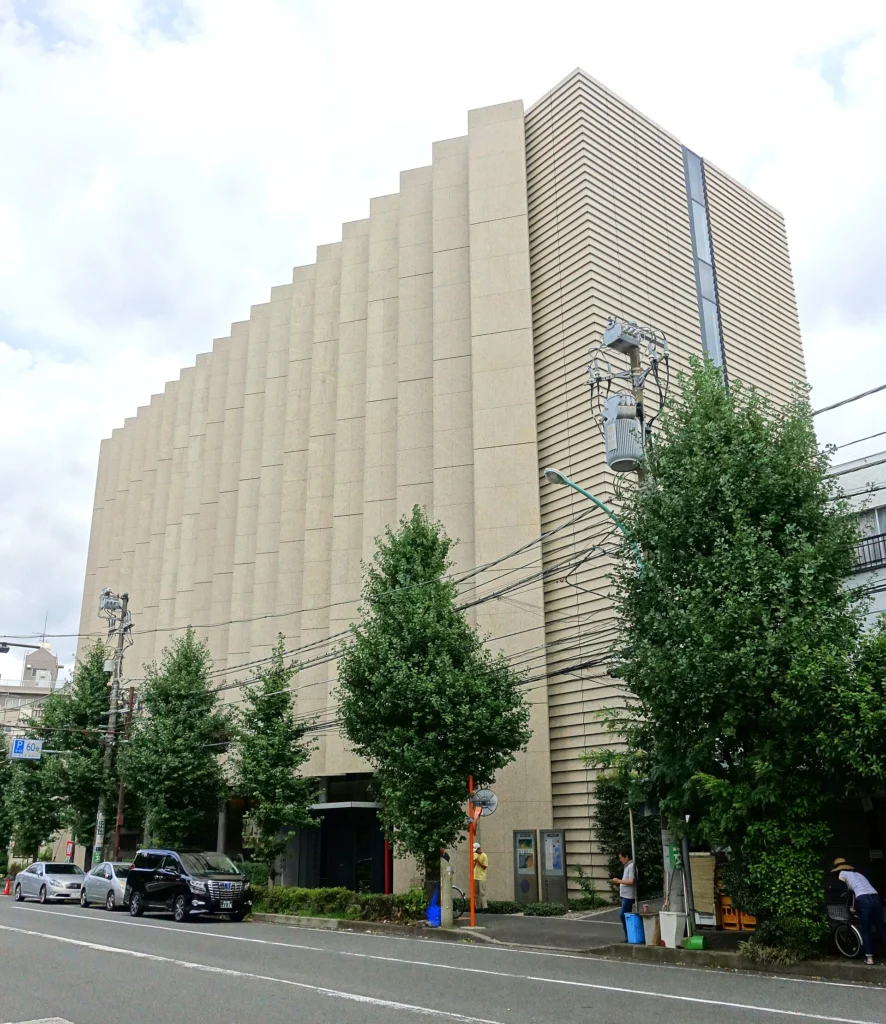
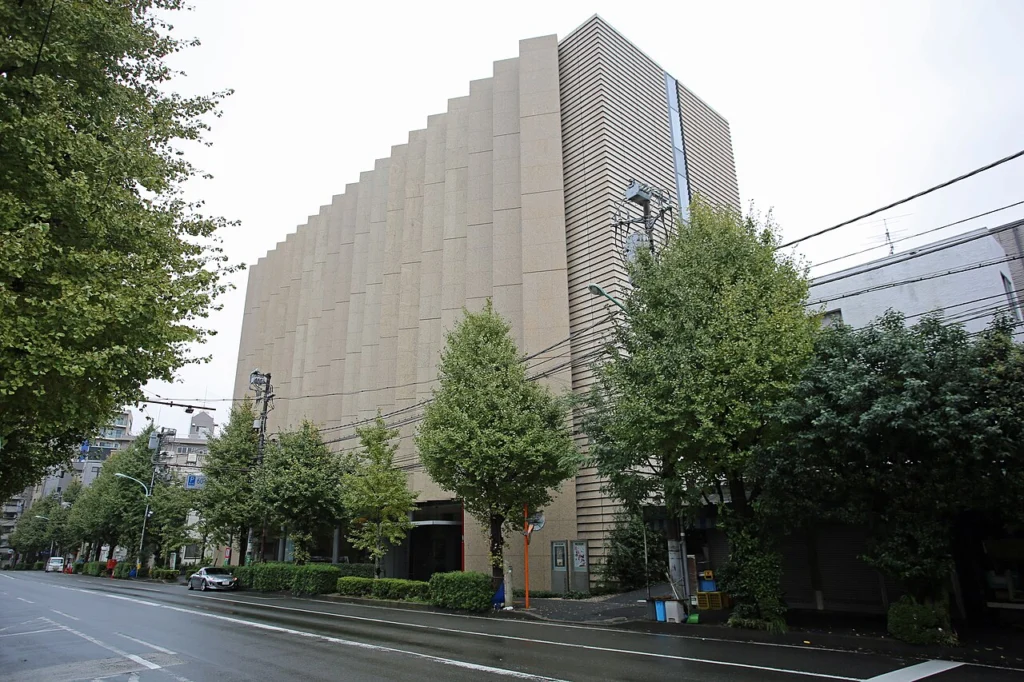
The Yamatane Museum of Art is a museum of nihonga in Hiroo, Shibuya City. Nihonga means Japanese-style painting made with natural materials such as mineral pigments and washi paper. The museum opened in 1966 in Nihonbashi Kabutocho as Japan’s first museum focused on nihonga, and moved to its current building in 2009. Its collection began with Yamazaki Taneji, founder of Yamatane Securities. Today it holds about 1,800 works, including 6 Important Cultural Properties.
Quick answer
An art museum for nihonga (Japanese-style painting), opened in 1966.
Hours: 10:00–17:00 (last entry 16:30). Closed: Mondays (if a holiday, open and closed on Tuesday), between exhibitions and over the New Year period. Admission: Changes by exhibition (current show: 1,500 yen for adults, junior high school students and younger free).
Quick facts
| What it is | An art museum for nihonga (Japanese-style painting), opened in 1966 |
| Known for | Modern and contemporary nihonga, including works by Hayami Gyoshu, Yokoyama Taikan and Uemura Shoen |
| Hours | 10:00–17:00 (last entry 16:30) |
| Closed | Mondays (if a holiday, open and closed on Tuesday), between exhibitions and over the New Year period |
| Admission | Changes by exhibition (current show: 1,500 yen for adults, junior high school students and younger free) |
| Address | 3-12-36 Hiroo, Shibuya City |
| Nearest station | Ebisu Station (JR West Exit, Hibiya Line Exit 2), about 10 minutes on foot |
| Last checked | November 2026 |
What to see
- Changing exhibitions: there is no permanent display. The museum holds 5 to 6 exhibitions a year, mostly from its own collection.
- The collection: Yamazaki Taneji bought works directly from painters he knew, such as Takeuchi Seiho, Yokoyama Taikan, Kawai Gyokudo, Uemura Shoen, Kobayashi Kokei, Okumura Togyu and Higashiyama Kaii. In 1976 the museum also bought a large group of works by Hayami Gyoshu.
- “A Thousand Cranes” mural: a ceramic wall mural by Kayama Matazo hangs by the stairs from the lobby down to the galleries.
- Galleries: about 650 m² of exhibition space on the basement floor, with room for large works and folding screens.
- Audio guide: connect to the free Wi-Fi (SSID “Yamatane_Museum”) on the 1st floor and basement to hear exhibition highlights and notes on works.
Current and next exhibitions
From October 10 to December 6, 2026, the museum shows “The Best of the Yamatane Collection I” for its 60th anniversary. Tickets are 1,500 yen for adults (1,300 yen in advance) and 1,200 yen for university and high school students (1,100 yen in advance). Part II runs from December 12, 2026 to March 7, 2027, with works from Higashiyama Kaii and Hirayama Ikuo to Senju Hiroshi and Yamaguchi Akira. Adults pay 1,500 yen, and university and high school students pay 500 yen with a winter student discount.
You can buy tickets at the museum on the day, without a booking. Online tickets let you choose a date and time to skip waiting when it is busy, but they cannot be cancelled or changed. Visitors who come in kimono get 200 yen off the adult price.
Cafe Tsubaki
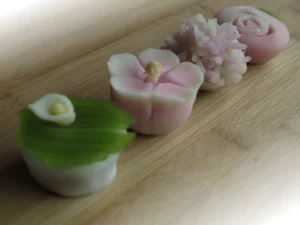
The café next to the 1st-floor entrance is named after Hayami Gyoshu’s “Meiju Chiritsubaki” (camellias), an Important Cultural Property in the collection. For each exhibition it serves wagashi (Japanese sweets) based on flowers, fruit or animals in the paintings, made by Kikuya, an old confectioner in Aoyama. You can use the café without a museum ticket. Hours are 10:30–17:00 (may change by exhibition).
Tips
- Photos, video and sketching are not allowed in the galleries. Use a pencil for notes; the museum can lend one.
- Do not eat or drink in the galleries, including water and candy.
- The galleries are kept cool and a little dark to protect the paintings.
- Show a ticket from the Ota Memorial Museum of Art or the Toguri Museum of Art to get 100 yen off.
Getting there
- Ebisu Station (JR West Exit or Hibiya Line Exit 2): about 10 minutes on foot.
- Bus from Ebisu: Toei Bus Gaku 06 from stop 1 at the West Exit, about 5 minutes to “Hiroo Koko-mae”, then 1 minute on foot.
- Bus from Shibuya: Toei Bus Gaku 03 from stop 54 at the East Exit, about 10 minutes to “Higashi 4-chome”, then 2 minutes on foot.
- There is no visitor parking.
Combine your visit with our Ebisu and Nakameguro guide and the Tokyo Photographic Art Museum. For ukiyo-e prints, the Ota Memorial Museum of Art in Harajuku has a ticket discount with this museum.
FAQ
What is nihonga?
Nihonga is Japanese-style painting made with natural materials such as mineral pigments and washi paper. Nature and the seasons are common subjects.
Is there a permanent collection display?
No. The museum shows its collection in 5 to 6 changing exhibitions a year.
Do I need to book a ticket?
No. You can buy a ticket at the museum on the day. Online date-and-time tickets are also sold.
Can I take photos?
No. Photos, video and sketching are not allowed in the galleries.
What is the nearest station?
Ebisu Station. It is about 10 minutes on foot from the JR West Exit or Hibiya Line Exit 2.
Keep reading
Also nearby: Toguri Museum of Art.
Sources
Facts come from the Yamatane Museum of Art’s official website (Last checked: November 15, 2026). This page is based on official sources, not our own visit. Last checked: November 2026 (on November 15, 2026).
- Yamatane Museum of Art: About the museum (official, Japanese)
- Yamatane Museum of Art: Visitor information (official, Japanese)
- Yamatane Museum of Art: Tickets and access (official, Japanese)
- Yamatane Museum of Art: The Best of the Yamatane Collection I (official, Japanese)
- Yamatane Museum of Art: The Best of the Yamatane Collection II (official, Japanese)
- Yamatane Museum of Art: Shop and café (official, Japanese)