Researched guide · Last checked: Nov 15, 2026
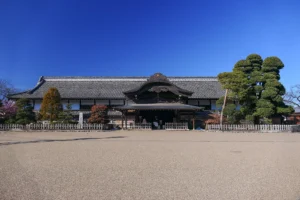
Kitaguchi Hongu Fuji Sengen Shrine is in Fujiyoshida, Yamanashi, at the foot of Mount Fuji. It honors Konohanasakuya-hime, the goddess of Mount Fuji, who is known for safe childbirth and fire safety. The shrine says it began in the year 110 and was moved to its present site in 788. The main hall, built in 1615, is a national Important Cultural Property. Its west torii marks the start of the Yoshida climbing trail, and every August 26 and 27 the town holds the Yoshida Fire Festival.
Quick answer
A Shinto shrine at the north starting point of the Mt. Fuji pilgrim trail.
Hours: The shrine does not list hours for the grounds. Admission: No fee is listed for the grounds.
Quick facts
| What it is | A Shinto shrine at the north starting point of the Mt. Fuji pilgrim trail |
| Hours | The shrine does not list hours for the grounds |
| Admission | No fee is listed for the grounds |
| Address | 5558 Kamiyoshida, Fujiyoshida, Yamanashi |
| Parking | Seven car parks (P1 to P7) with about 10 to 50 spaces each, plus a car blessing area. The shrine says extra lots open on festival days |
| From Tokyo | By car on the Tokyo side: Chuo Expressway to Kawaguchiko IC, then about 3 km by Route 139. The shrine lists no train time and refers visitors to the Fujikyuko website |
| Last checked | November 2026 |
What to see
- Main hall (honden): built in 1615 by Torii Tosa-no-kami Narutsugu, in a Momoyama-style cypress-bark roof design. It is a national Important Cultural Property (designated 1953).
- East and West main halls: the East hall was rebuilt by Takeda Shingen in 1561 and is the oldest building that remains. The West hall was built in 1594 by Asano Ujishige. Both are national Important Cultural Properties.
- Worship hall (heihaiden): built in 1739 by Murakami Kosei, in a Hachimune-zukuri style joined to the main hall.
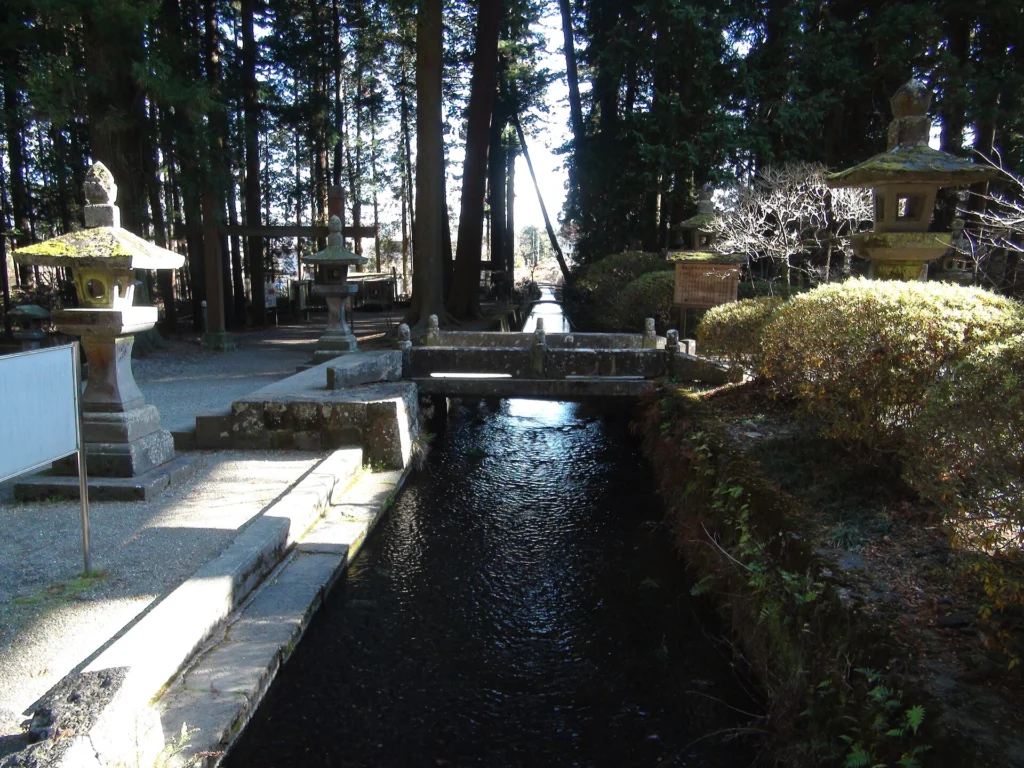
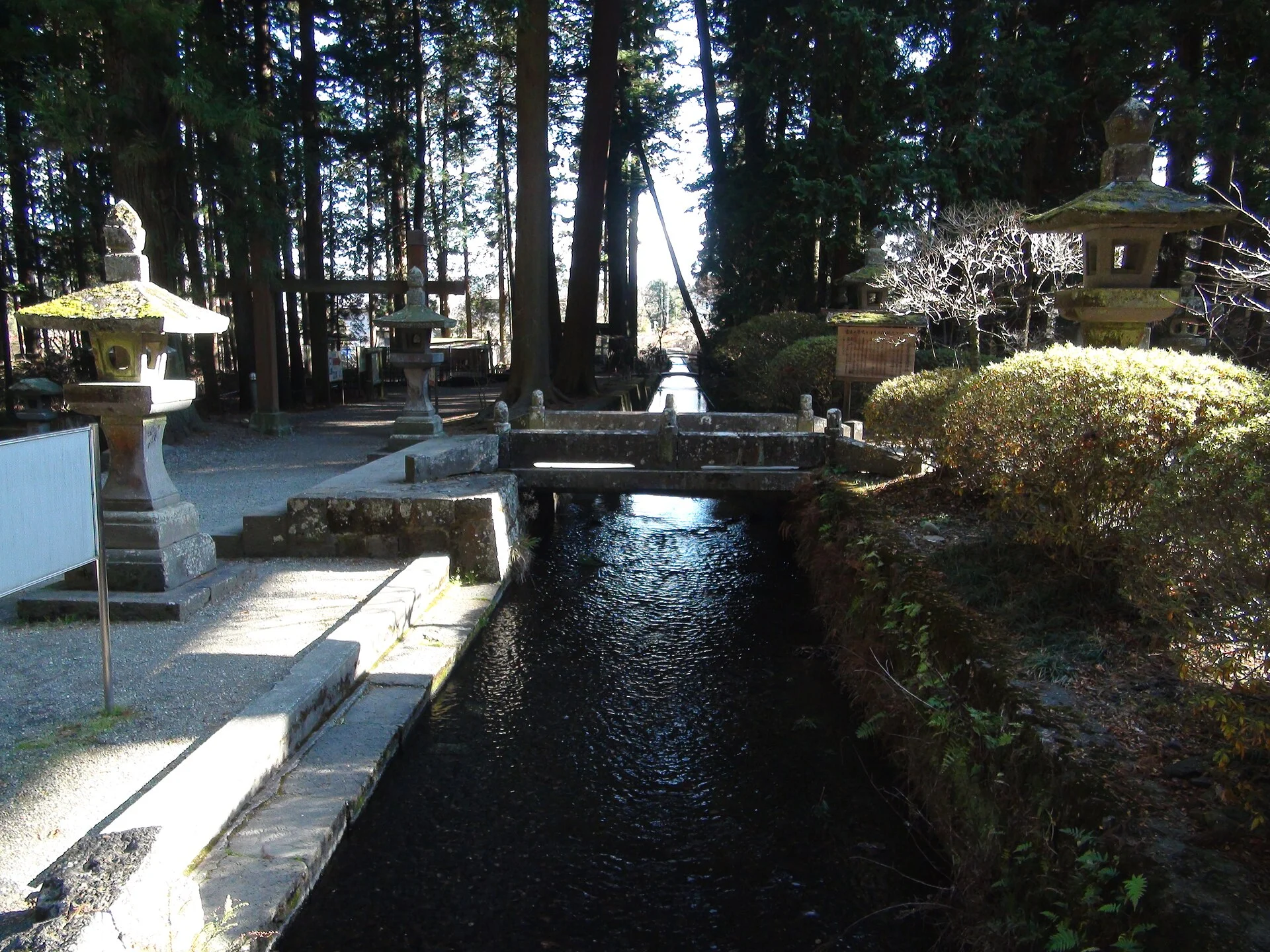
- Old forest: huge trees surround the worship hall. The shrine says they show how long this ground has been sacred, as a place for worshipping Mount Fuji from afar.
- Suwa Shrine: a smaller shrine said to honor the local land god, designated a Fujiyoshida City cultural property.
History
- Year 110: in the 40th year of Emperor Keiko, Yamato Takeru is said to have viewed Fuji from the Otsukaoka mound here. A torii was built and, ten years later, a shrine for the goddess of Fuji and Yamato Takeru.
- 788: after an eruption in 781, the main shrine was built at the present site, north of Otsukaoka.
- 1733 to 1738: Murakami Kosei, a leader of the Fuji-ko pilgrim groups, rebuilt most of the present shrine buildings and grounds.
- Fuji-ko: pilgrim groups that climbed Fuji from this north side. Their guide-innkeepers (oshi) lived in the town of Kamiyoshida.
Yoshida Fire Festival
- Dates: August 26 and 27 each year, at this shrine and its Suwa Shrine.
- Highlight: on the night of August 26, huge torches are burned along the town’s main street.
- Meaning: it is a festival to calm Mount Fuji’s volcano and honors the goddess who gave birth safely in a fire. It is a Yamanashi Prefecture Intangible Folk Cultural Property.
Before you go
- Trail start: the large torii on the west side of the grounds is the gate to the Yoshida climbing trail.
- Name: “Kitaguchi Hongu” means the main shrine at the start of the north trail.
Getting there
- Train: the shrine refers visitors to the Fujikyuko website for train and bus details.
- Car from Tokyo: Chuo Expressway to Kawaguchiko IC, then about 3 km via Route 139, with the shrine on the right.
- Car from Gotemba: Tomei Gotemba IC to Higashi-Fuji-Goko Road, Fujiyoshida IC, about 3 km via Route 139.
The Shizuoka side has its own Fujisan Hongu Sengen Taisha. Nearby, see Chureito Pagoda and Lake Kawaguchi, or read our Mt. Fuji day trip guide. Browse more day trips from Tokyo.
FAQ
Who is enshrined at Kitaguchi Hongu Fuji Sengen Shrine?
Konohanasakuya-hime, the goddess of Mount Fuji known for safe childbirth and fire safety, together with her husband and her father, the god of all mountains.
What does Kitaguchi Hongu mean?
It means the main shrine at the start of the “north” (Yoshida) trail up Mount Fuji.
When is the Yoshida Fire Festival?
August 26 and 27 each year. The big torches are burned on the night of August 26.
Is there an entrance fee?
The shrine lists no fee for the grounds.
How do I get there by car from Tokyo?
Take the Chuo Expressway to Kawaguchiko IC and drive about 3 km via Route 139. The shrine is on the right.
Keep reading
Sources
Facts come from the official Kitaguchi Hongu Fuji Sengen Shrine website (history, deities, fire festival, FAQ and access pages), last checked on November 15, 2026. They are based on official sources, not our own visit. The site does not list visiting hours or fees, and its news section was last updated in 2025. Check before you go. Last checked: November 2026 (on November 15, 2026).
- Kitaguchi Hongu Fuji Sengen Shrine (official): History (Japanese)
- Kitaguchi Hongu Fuji Sengen Shrine (official): Deities (Japanese)
- Kitaguchi Hongu Fuji Sengen Shrine (official): Fire festival (Japanese)
- Kitaguchi Hongu Fuji Sengen Shrine (official): Access (Japanese)
- Kitaguchi Hongu Fuji Sengen Shrine (official): FAQ (Japanese)