Researched guide · Last checked: Nov 15, 2026
Musashi Ichinomiya Hikawa Shrine is in Omiya, Saitama City. “Ichinomiya” means the top-ranked shrine of an old province, here Musashi Province. The first written record of the shrine is from 766, and the name Omiya (“great shrine”) comes from it. A straight approach of about 2 km, lined with zelkova trees, leads to a red Romon gate. Emperor Meiji came here in 1868 and led a ceremony himself. Entry is free, and the shrine is about 15 minutes on foot from Omiya Station.
Quick answer
An old Shinto shrine with a long tree-lined approach. About 280 Hikawa shrines were founded from it.
Hours: Prayers 9:00 to 16:00. The official site does not list gate times. Admission: Free. Prayers from 5,000 yen.
Quick facts
| What it is | An old Shinto shrine with a long tree-lined approach. About 280 Hikawa shrines were founded from it |
| Hours | Prayers 9:00 to 16:00. The official site does not list gate times |
| Admission | Free. Prayers from 5,000 yen |
| Address | 1-407 Takahanacho, Omiya-ku, Saitama |
| Nearest station | Omiya Station (JR), about 15 minutes on foot from the East Exit. Kita-Omiya Station (Tobu Urban Park Line) is about 10 minutes from the west parking lot |
| From Tokyo | JR train to Omiya Station, then walk |
| Last checked | November 2026 |
What to see
- Hikawa Sando: the approach is about 2 km long, from the old Nakasendo road to the shrine. Rows of zelkova trees make it feel like a green tunnel. It was built as a straight road to the shrine after 1628.
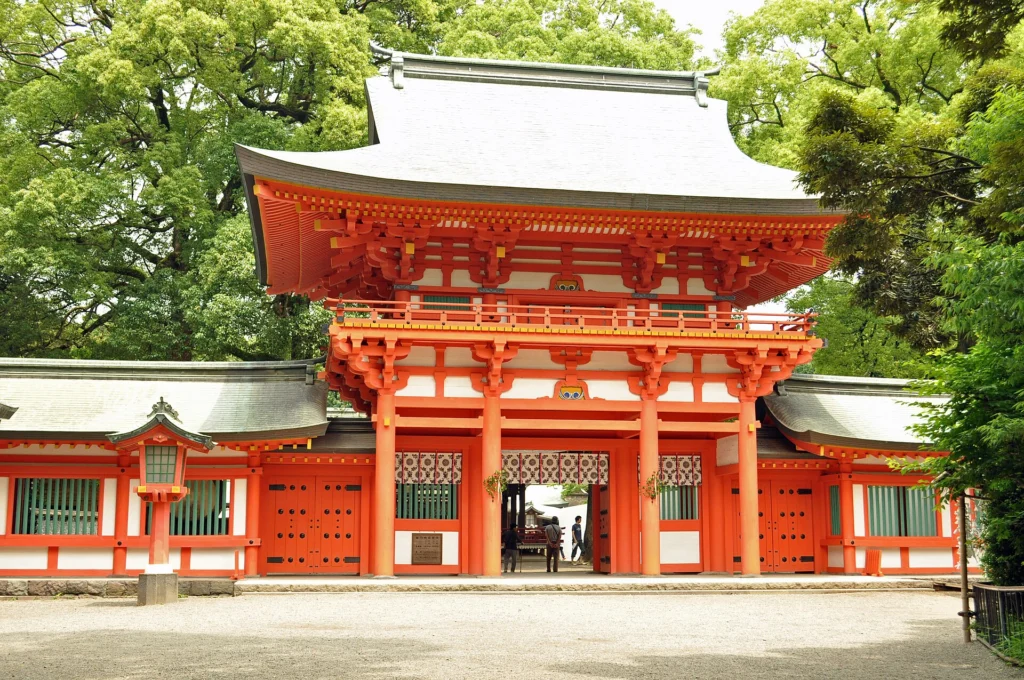
- Romon gate: the red two-story gate was modeled on the gates of Kamigamo and Shimogamo shrines in Kyoto. With the red bridge in front, it is the symbol of the shrine.
- Main hall: built in 1940 in the nagare-zukuri style (a roof that sweeps forward over the front). It honors Susanoo, Inadahime and Onamuchi.
- Hebi-no-ike: a spring that once fed the Minuma wetlands. Its clean water still flows into the shrine pond.
- Smaller shrines: the Monkyakujin, Mitake and Amatsu shrines are from 1667 and are Saitama City cultural properties.
Prayers
- Times: 9:00 to 16:00, every 30 minutes. Apply at the reception at least 15 minutes before.
- No booking: apply on the day. You cannot book or choose a time in advance. When it is busy, prayers run one after another.
- Length: about 15 minutes.
- Fees: from 5,000 yen.
- No prayers: during the fire drill in late January and on the morning of August 1 (the annual festival). The New Year period has a special schedule.
Good to know
- Festivals: the annual festival is on August 1. On December 10 (Daitosai Tokaichi market) and January 1 to 3, all shrine parking lots are closed.
- Parking: parking is limited. The shrine asks visitors to share cars.
- Omiya Park: a prefectural park next to the shrine, 1 minute away. It grew from shrine land and is a popular cherry blossom spot.
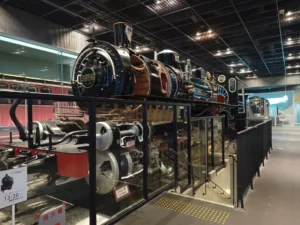
- Nearby: the shrine lists Omiya Bonsai Village (15 minutes on foot), the Omiya Bonsai Art Museum (20 minutes) and the Railway Museum (30 minutes).
Getting there from Tokyo
- Train: take a JR train to Omiya Station. From the East Exit, the shrine is about 15 minutes on foot. You can walk along the Hikawa Sando approach.
- Tobu Line: Kita-Omiya Station on the Tobu Urban Park Line is about 10 minutes on foot from the shrine’s west parking lot.
- Car: about 15 minutes from Saitama-shintoshin-nishi IC, or about 20 minutes from Iwatsuki IC.
Walk on to the Omiya Bonsai Art Museum or the Railway Museum. Kawagoe Hikawa Shrine and Akasaka Hikawa Shrine in Tokyo share the Hikawa name. Find more day trips from Tokyo.
FAQ
How do I get to Hikawa Shrine in Omiya from Tokyo?
Take a JR train to Omiya Station. From the East Exit, the shrine is about 15 minutes on foot.
Is Hikawa Shrine in Omiya free?
Yes. Visiting the shrine is free. Prayers start from 5,000 yen.
How long is the Hikawa Sando approach?
About 2 km, from the old Nakasendo road to the shrine. It is lined with zelkova trees.
Do I need to book a prayer?
No. Prayers are held every 30 minutes from 9:00 to 16:00. Apply at the reception on the day, at least 15 minutes before.
What does Musashi Ichinomiya mean?
Ichinomiya means the top-ranked shrine of an old province. Hikawa Shrine has long been worshiped as the Ichinomiya of Musashi Province.
Keep reading
Also nearby: Museum of Modern Art, Saitama (MOMAS).
Sources
Facts come from the official Musashi Ichinomiya Hikawa Shrine website (history, grounds, prayer and access pages). They are based on official sources, not our own visit. Prayer times, fees and parking can change around festivals and the New Year, so check before you go. Last checked: November 2026 (on November 15, 2026).
Also nearby: Omiya guide