Researched guide · Last checked: Nov 15, 2026
Edogawa Natural Zoo (Edogawa-ku Shizen Dobutsuen) is a small free zoo inside Gyosen Park in Edogawa City, east Tokyo. It opened in 1983. You can see red pandas, Humboldt penguins, a sea lion, giant anteaters and monkeys, and a petting corner has goats, sheep and guinea pigs. Next to the zoo is Heisei Garden, a Japanese garden in the same park.
Quick answer
A small free zoo run by Edogawa City in Gyosen Park, opened in 1983.
Hours: 10:00-16:30 (from 9:30 on Saturdays, Sundays and holidays); until 16:00 from November to February. Closed: Mondays (the next day if Monday is a holiday) and December 29 to January 1. Admission: Free.
Quick facts
| What it is | A small free zoo run by Edogawa City in Gyosen Park, opened in 1983 |
| Hours | 10:00-16:30 (from 9:30 on Saturdays, Sundays and holidays); until 16:00 from November to February |
| Closed | Mondays (the next day if Monday is a holiday) and December 29 to January 1 |
| Admission | Free |
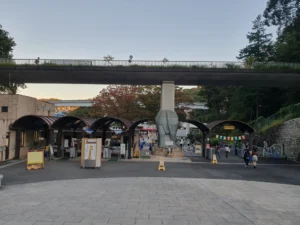
| Address | Kita-Kasai 3-2-1, Edogawa City (inside Gyosen Park) |
| Getting there | About 15 minutes on foot from Nishi-Kasai Station (Tokyo Metro Tozai Line) |
| Last checked | November 2026 |
Animals to see
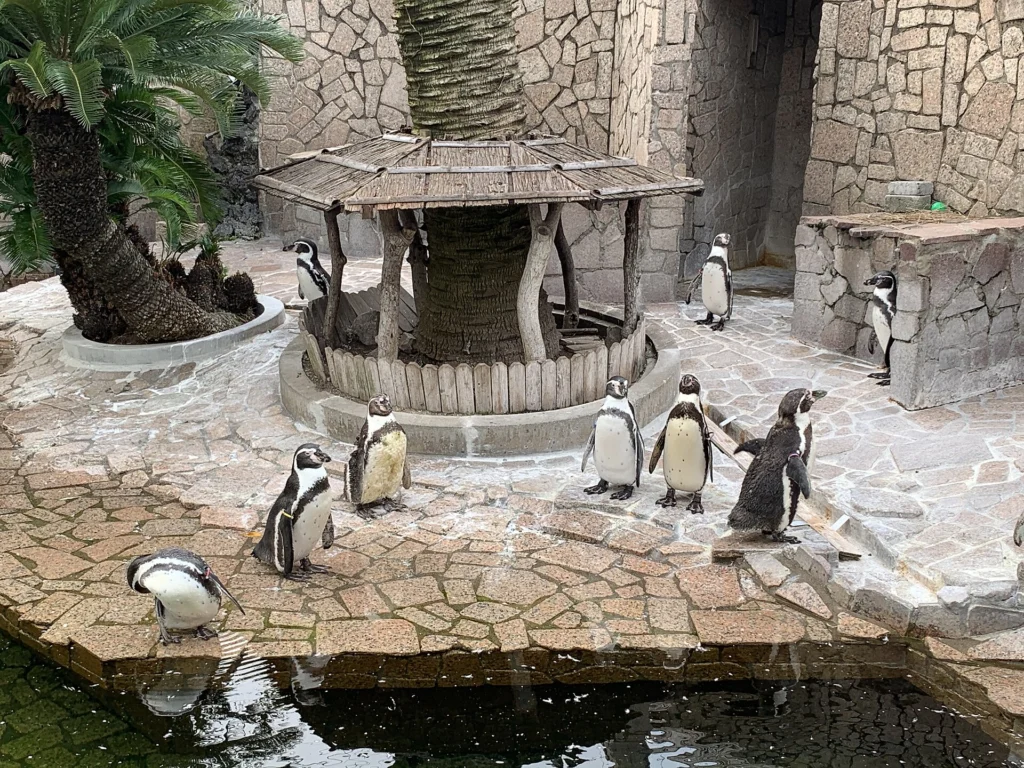
- Red pandas and Humboldt penguins, two of the zoo’s best-known animals.
- South American sea lion, giant anteater, black-tailed prairie dogs, Japanese squirrels and Bennett’s wallabies.
- Small monkeys: spider monkeys, cotton-top tamarins and common squirrel monkeys.
- Birds: owls, a laughing kookaburra, and water birds such as the black-faced spoonbill and the scarlet ibis.
- Reptiles: several kinds of turtles and a Japanese rat snake.
- Feeding time (mogumogu time) changes each day. The zoo posts the day’s schedule on its website.
Petting corner
- Animals include goats, sheep, a giant rabbit, guinea pigs, bantam chickens and call ducks.
- There are 6 sessions a day: 10:20, 10:45, 11:10, 13:30, 13:55 and 14:20. Each session takes up to 30 people.
- Get a free ticket at the service center window next to the main gate. Morning tickets start at 9:45 and afternoon tickets at 13:00, first come, first served.
- Sessions stop in rain, in hot summer weather, and on the day after a closed day. When there is a risk of bird flu, birds are not shown in the petting corner (this was the case in mid-November 2026). Check the zoo’s daily notice before you go.
Gyosen Park and Heisei Garden
- Gyosen Park was land given to the city in 1933 by a local man, Tanaka Genji. “Gyosen” was the name of his family business.
- Heisei Garden, a Japanese garden, opened in 1989 in the north part of the park. It is open 7:00-19:00 from April to September and 8:00-18:00 from October to March.
Getting there
- From Nishi-Kasai Station (Tokyo Metro Tozai Line): about 15 minutes on foot from the north exit.
- From Funabori Station (Toei Shinjuku Line): about 20 minutes on foot from the south exit.
- By bus: from the south exit of Nishi-Kasai Station, take Toei Bus Shin-Ko 21 bound for Shin-Koiwa Station or Funabori Station and get off at Ukita (about 5 minutes).
- The zoo has no parking. Use the paid lot at Ukita Park, next to Gyosen Park.
Edogawa Natural Zoo fits well with a day around Kasai. See our Kasai guide, or visit Tokyo Sea Life Park in Kasai Rinkai Park. For bigger zoos, see Ueno Zoo and Tama Zoo.
FAQ
Is Edogawa Natural Zoo really free?
Yes. Admission is free.
What are the opening hours?
10:00-16:30, from 9:30 on weekends and holidays, and until 16:00 from November to February.
When is the zoo closed?
On Mondays (the next day if Monday is a holiday) and from December 29 to January 1.
Can I touch the animals?
Yes, in the petting corner. Get a free ticket at the service center. Each session is limited to 30 people.
How do I get to Edogawa Natural Zoo?
Walk about 15 minutes from Nishi-Kasai Station, or take Toei Bus Shin-Ko 21 to the Ukita stop.
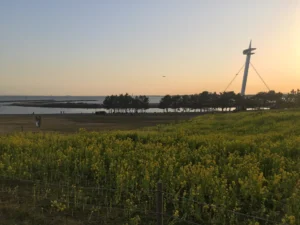


Also nearby: Shinozaki Park.
Sources
Facts come from Edogawa City’s official pages and the Edogawa Environment Foundation’s official zoo pages (Last checked: November 15, 2026). This page is based on official sources, not our own visit. Last checked: November 2026 (on November 15, 2026).