Researched guide · Last checked: Nov 13, 2026
This article contains affiliate links. If you book through them, we may earn a commission at no extra cost to you. See our Affiliate Disclosure.
Kintsugi is the Japanese art of repairing broken pottery with lacquer and gold, so the cracks become part of the design. In Tokyo you can try it in a short workshop. The most important thing to check before you book is the method: traditional kintsugi with natural urushi (Japanese lacquer), or a quick “kintsugi-style” class with modern glue and brass powder. They look similar but are not the same.
Quick facts
| Duration | 60 to 90 minutes |
| Price | Traditional urushi workshop ¥22,000; kintsugi-style workshop ¥6,600 (Tsugu Tsugu official site). Klook shows from about US$47.69 |
| Area | Asakusa (Tsugu Tsugu studio, 1-1-2 Kaminarimon) and Ebisu |
| Booking | Needed. Book online |
| Method | Traditional: natural urushi lacquer and 23K gold powder. Kintsugi-style: epoxy resin and a brass-colored finish, no urushi |
| Last checked | November 2026 (on November 18, 2026) |
Prices on the Tsugu Tsugu official site (Last checked: November 13, 2026): traditional workshop ¥22,000, kintsugi-style workshop ¥6,600 per person. Klook showed the 90-minute traditional workshop from US$47.69 on the same day.
Affiliate link
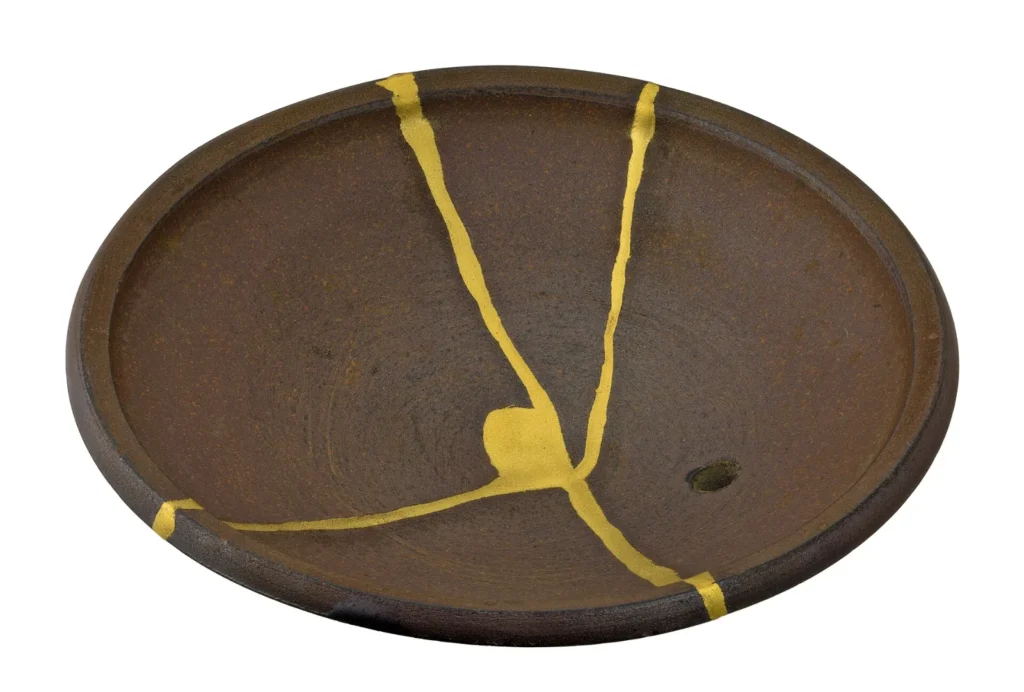
Real urushi or kintsugi-style: know the difference
| Workshop | Traditional (urushi) | Kintsugi-style |
| Materials | Natural urushi lacquer, 23K gold powder | Epoxy resin, brass-colored finish |
| Time | 90 minutes | 60 minutes |
| Price (official) | ¥22,000 | ¥6,600 |
| Age (official) | 13 and older | 6 and older |
| Take it home | Same day in a drying box, or pick up or ship later | Same day |
| Food use | Ask the studio | Not for tableware used for food |
Urushi is a natural lacquer that hardens slowly. Tsugu Tsugu says you should keep your piece in its closed drying box in a warm place (about 20 to 30°C) for at least one day, and that a complete repair takes days to weeks. For a full repair in its regular classes, it estimates two to three months.
Kintsugi-style classes are quicker and easier, but they are a different technique. Tsugu Tsugu says its kintsugi-style pieces are not for repairing tableware used for food, and that a brass finish is not food safe.
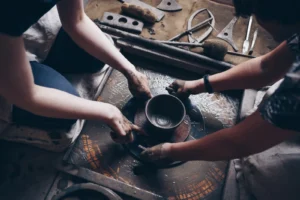
What you do in the traditional workshop
- A kintsugi artisan teaches each step in English, with the history and ideas behind kintsugi.
- You repair a ceramic piece with natural urushi and finish the line with real gold.
- You take your piece home in a drying box. Tsugu Tsugu can also keep it for pickup or ship it to your hotel or overseas for a fee, about a week later.
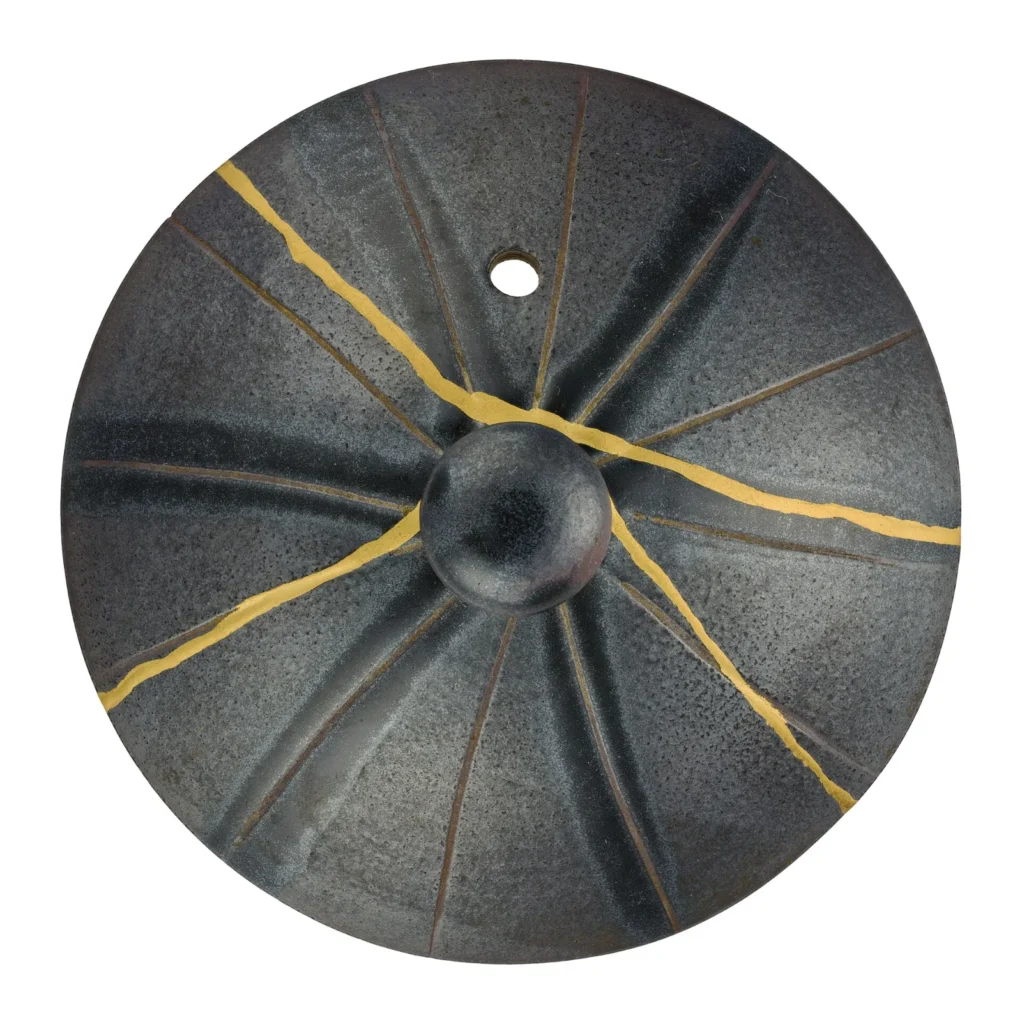
Cheaper option: a kintsugi-style plate in Asakusa
Klook also sells a cheaper, simpler “kintsugi-style” workshop at ZEN Craft in the Asakusa Tosei Building. It is a 1-hour class that uses brass powder, not real gold and urushi lacquer. See the ZEN Craft workshop on Klook.
The price was US$9.89 as checked 2026-11-20. Prices vary by date and number of people, so check Klook before you book. The Klook page says finished items are for decoration only and are not food safe. It is a fun souvenir, but it is not traditional urushi kintsugi.
Age rules (check before you book)
Tsugu Tsugu’s official site says the traditional workshop is for ages 13 and older and the kintsugi-style workshop for ages 6 and older. The Klook listing says ages 6 and up can join, and offers a 60-minute kid-friendly kintsugi-style option. If you are booking for a child, choose the right workshop or ask the studio first.
What to bring: nothing is required at either workshop. Tsugu Tsugu suggests clothes that can get dirty, and a hair clip if you have long hair (checked on the official page on November 18, 2026).
How to book
- Book the Asakusa workshop on Klook with the button above. Free cancellation up to 24 hours before.
- Or book directly on Tsugu Tsugu’s official site, which also lists the Ebisu studio.
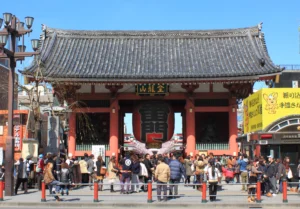
- Asakusa is nearby, so plan the rest of your day with our Asakusa guide.
More quiet crafts: a pottery class, a calligraphy workshop or indigo dyeing.
Looking for more ideas? See the best experiences in Tokyo, grouped by type with prices and times.
FAQ
Is a kintsugi workshop real kintsugi?
It depends. Traditional workshops use natural urushi lacquer and gold. Kintsugi-style workshops use resin and brass powder, which is quicker but a different technique.
Can I take my kintsugi piece home the same day?
Yes, at Tsugu Tsugu. A traditional piece goes home in a drying box and needs at least a day to cure. A kintsugi-style piece is ready the same day.
Can I eat from my repaired bowl?
Not from a kintsugi-style piece: the studios say they are not food safe. For a traditional piece, ask the studio.
How much does a kintsugi workshop cost in Tokyo?
At Tsugu Tsugu, ¥22,000 for the 90-minute traditional workshop and ¥6,600 for the 60-minute kintsugi-style workshop.
Is there an age limit?
Tsugu Tsugu says 13 and older for the traditional workshop and 6 and older for the kintsugi-style workshop.
Keep reading
Sources
Facts on this page come from the official and booking pages below (Last checked: November 18, 2026). We have not joined these workshops ourselves. Prices, rules and methods can change, so check before you go.