Researched guide · Last checked: Nov 13, 2026
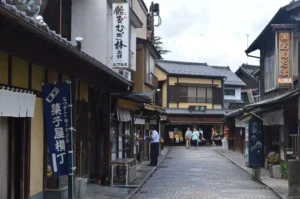
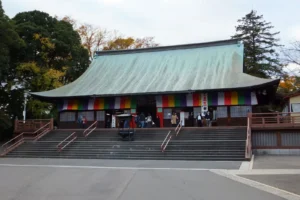
Kawagoe Hikawa Shrine is the guardian shrine of Kawagoe, said to have been founded about 1,500 years ago. It is best known for enmusubi, prayers for good relationships, and for its summer wind chime festival. Anyone may visit freely. The shrine is a bus ride from Kawagoe Station, and it fits well into a walk with the Toki no Kane bell tower and Kashiya Yokocho.
Quick answer
Visiting: Anyone may visit freely; no admission fee is listed.
Nearest bus stops: “Kawagoe Hikawa Jinja” (Tobu Bus, 0 min) or “Hikawa Jinja-mae” (Koedo loop bus, 0 min), from Kawagoe or Hon-Kawagoe Station.
Known for: Enmusubi (good relationships and matchmaking); “Musubi” amulets and an ema (votive plaque) tunnel.
Quick facts
| Visiting | Anyone may visit freely; no admission fee is listed |
| Known for | Enmusubi (good relationships and matchmaking); “Musubi” amulets and an ema (votive plaque) tunnel |
| Wind chimes (summer only) | “Enmusubi Furin” festival with about 2,000 Edo wind chimes. 2026: June 27 to September 6 |
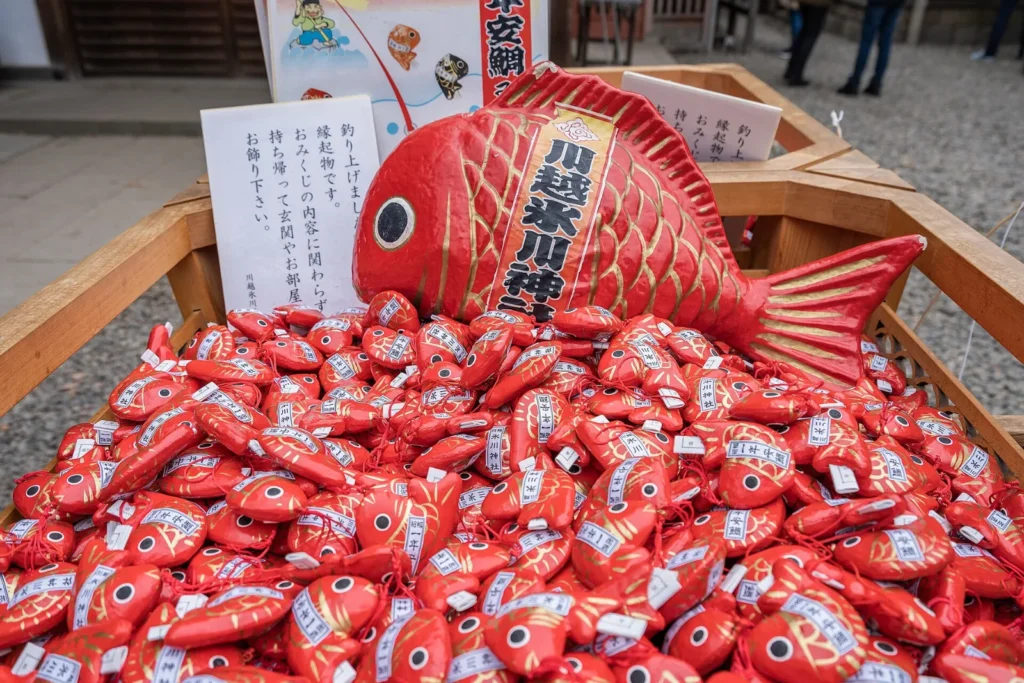
| Tai-mikuji | Sea-bream (tai) shaped fortunes, mentioned by Kawagoe’s official tourism site; not described on the shrine’s own site |
| Nearest bus stops | “Kawagoe Hikawa Jinja” (Tobu Bus, 0 min) or “Hikawa Jinja-mae” (Koedo loop bus, 0 min), from Kawagoe or Hon-Kawagoe Station |
| Last checked | November 2026 (on November 13, 2026) |
What to see
- Enmusubi-dama: small stones from the grounds, gathered by shrine maidens, wrapped in netting and blessed each morning. Tradition says keeping a pebble from the grounds brings a good match; return it when you find your partner.
- Ema tunnel: a tunnel of matchmaking ema plaques, with art by illustrator Ōtsuka Ichio.
- Many matchmaking amulets, including a pair in red and white.
- Tai-mikuji: fortunes inside a sea-bream figure. Kawagoe’s official tourism site mentions them and notes seasonal colors.
The summer wind chime festival
The “Enmusubi Furin” is a summer event. About 2,000 Edo wind chimes hang in the grounds, and you can hang a wooden tag with your wish on them. From evening the chimes and the small stream are lit up. In 2026 it ran from June 27 to September 6; dates change each year, so check the shrine’s site for the next season. Outside summer, you will not see the wind chime corridor.
Visiting manners
- Bow before you pass through the torii, and walk to the side of the center of the path.
- Commercial photography, wedding photo shoots for couples not married at the shrine, and pets (except assistance dogs) are not allowed.
- No tripods or monopods that get in other visitors’ way, and do not photograph shrine maidens or other visitors without asking.
- The shrine has no free car park; use coin parking nearby.
Getting there
- From Kawagoe Station (JR, Tobu Tojo Line): Tobu Bus from stop 7 to “Kawagoe Hikawa Jinja”, at the door.
- From Hon-Kawagoe Station (Seibu Shinjuku Line): Tobu Bus from stop 5 to the same stop.
- Koedo loop bus from Kawagoe Station West Exit: “Hikawa Jinja-mae”, at the door.
- Address: 2-11-3 Miyashita-machi, Kawagoe.
See our Kawagoe day trip for a full route.
FAQ
Is Kawagoe Hikawa Shrine free?
Yes. Anyone may visit freely; amulets and prayers have fees.
When is the wind chime festival?
It is a summer event. In 2026 it ran from June 27 to September 6.
What is the shrine known for?
Enmusubi, prayers for good relationships and matchmaking.
What is tai-mikuji?
A fortune slip inside a small sea-bream figure. Kawagoe’s official tourism site mentions it; ask at the shrine what is offered when you visit.
How do I get there?
Take a Tobu Bus from Kawagoe or Hon-Kawagoe Station to the “Kawagoe Hikawa Jinja” stop.
Sources
Visiting rules, the wind chime festival and access come from Kawagoe Hikawa Shrine’s official site. The tai-mikuji mention comes from Koedo Kawagoe Web, Kawagoe’s official tourism site. Last checked: November 2026 (on November 13, 2026). Please check before you go.
- Kawagoe Hikawa Shrine: visiting guide (official, Japanese)
- Kawagoe Hikawa Shrine: access (official, Japanese)
- Kawagoe Hikawa Shrine: Enmusubi Furin (official, Japanese)
- Koedo Kawagoe Web: walking course (official tourism, Japanese)
- Koedo Kawagoe Web: Kawagoe Hikawa Shrine (official tourism, Japanese)