Researched guide · Last checked: Nov 11, 2026
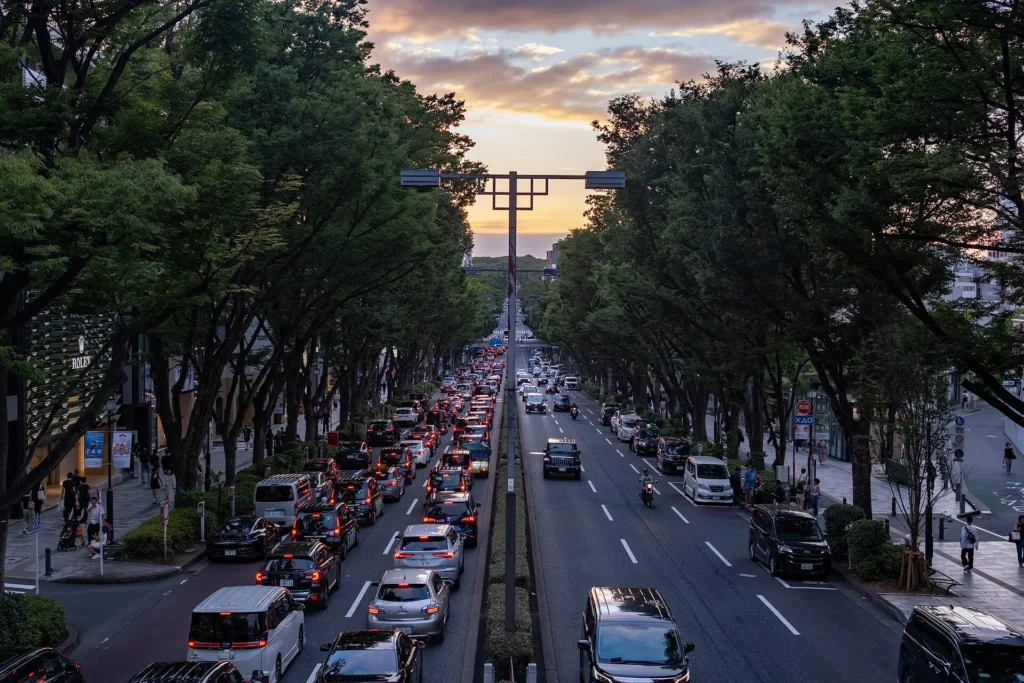
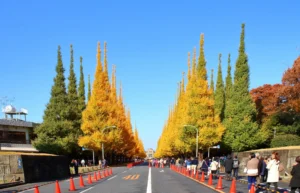
Omotesando is the wide, zelkova-lined avenue that runs from Harajuku toward Aoyama. Its name means “main approach”: the local shopping street association explains that it is historically the main approach to Meiji Jingu, and that the zelkova (keyaki) trees are the symbol of the street. Today it is lined with flagship stores and some of Tokyo’s most striking modern buildings. This page is about walking the street and seeing its architecture, plus the winter illumination and access. For the rest of the area, see our Harajuku and Omotesando guide.
Quick answer
Omotesando is the zelkova-lined main approach to Meiji Jingu, running from Harajuku toward Aoyama. It is lined with flagship stores and buildings by architects such as Tadao Ando and SANAA.
Each shop sets its own hours. The Omotesando Dior Illumination 2026 runs December 1 to 27, 2026. The nearest stations are Harajuku (JR), Meiji-jingumae and Omotesando.
Quick facts
| What it is | The tree-lined main approach to Meiji Jingu, from Harajuku toward Aoyama |
| Highlights | Zelkova trees and buildings by architects such as Tadao Ando and SANAA, with more by Kengo Kuma and Herzog & de Meuron in nearby Aoyama |
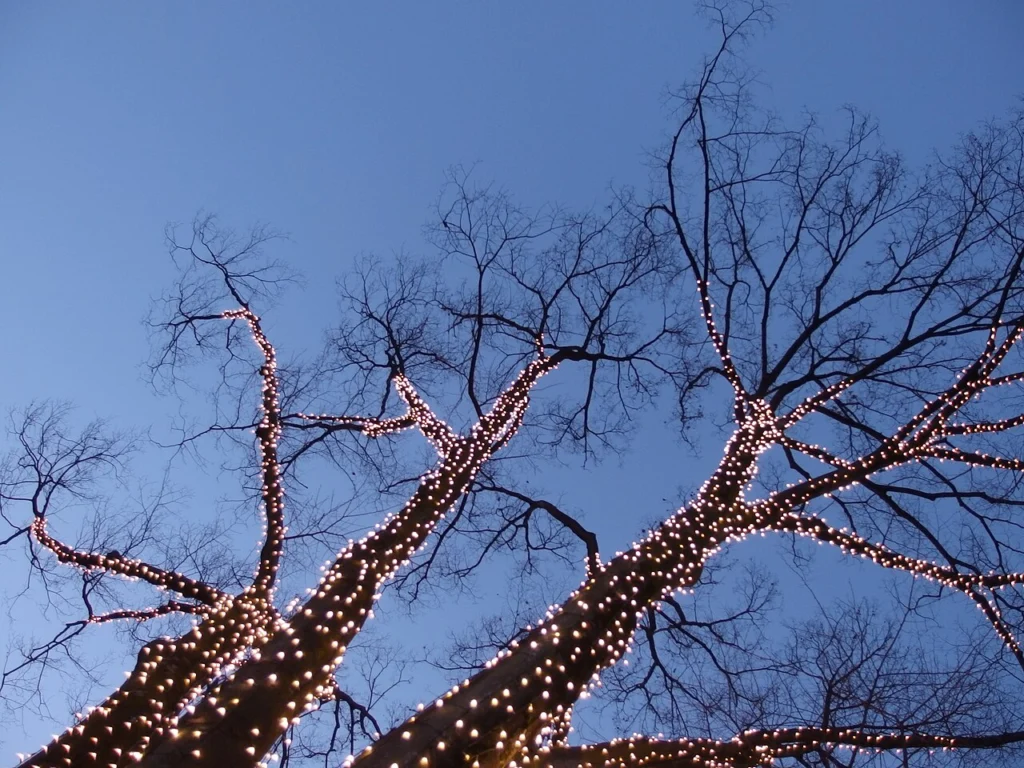
| Winter illumination | Omotesando Dior Illumination 2026: December 1 to 27, 2026 (lower trees lit until January 5, 2027) |
| Shop hours | Each shop sets its own hours |
| Nearest stations | Harajuku Station (JR Yamanote Line), Meiji-jingumae (Harajuku) Station (Tokyo Metro Chiyoda and Fukutoshin lines), Omotesando Station (Tokyo Metro Ginza, Hanzomon and Chiyoda lines) |
| Last checked | November 2026 |
The street and its trees
The Harajuku Omotesando Keyaki-kai, the local shopping street association, takes its name from the zelkova trees, its symbol, and carries out regular checks on the health of the trees as part of its “Keep Clean, Keep Green” approach to the street. About 550 shops belong to the association.
An architecture walk
GO TOKYO’s architecture walk through Harajuku and Omotesando picks out these buildings. Walk from Harajuku toward Aoyama:
- Omotesando Hills (Tadao Ando): the building is kept to about the height of the zelkova trees. Inside, an atrium cuts through the space, with shops along a spiral ramp that follows the slope of the street. Look for Ando’s trademark raw concrete walls.
- Dior Omotesando (SANAA, Kazuyo Sejima and Ryue Nishizawa): a white building whose draped facade looks like a skirt.
- Ao (Nihon Sekkei): a 16-story commercial building completed in 2009, with curved forms that make it a local landmark.
- Prada Aoyama (Herzog & de Meuron): in nearby Aoyama, with diamond-shaped glass panes that reflect the sky by day and glow at night.
- SunnyHills Minami Aoyama (Kengo Kuma & Associates): a wooden lattice built with traditional Japanese joinery, without nails.
- Nezu Museum (Kengo Kuma & Associates, 2009 main building): a museum with a 17,000 m² Japanese garden, a little farther into Aoyama.
Most buildings are shops, so look from the street and enter only those open to the public. Please do not block the sidewalk when taking photos.
Winter illumination
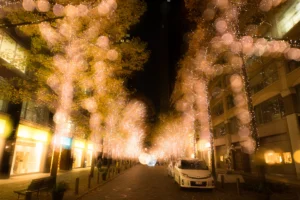
Every winter the zelkova trees are lit up. The Omotesando Dior Illumination 2026 runs from December 1 to 27, 2026, and the lower trees stay lit until January 5, 2027. See Tokyo in December for more winter events.
Getting there
- Harajuku Station (JR Yamanote Line).
- Meiji-jingumae (Harajuku) Station (Tokyo Metro Chiyoda and Fukutoshin lines).
- Omotesando Station (Tokyo Metro Ginza, Hanzomon and Chiyoda lines).
Combine the walk with Meiji Jingu, Takeshita Street and Yoyogi Park, or follow our Shibuya and Harajuku one-day plan.
FAQ
What is Omotesando famous for?
Its zelkova-lined avenue, flagship stores and modern architecture by architects such as Tadao Ando and SANAA. It is historically the main approach to Meiji Jingu.
Who designed Omotesando Hills?
Tadao Ando. The building is kept to about the height of the street’s zelkova trees, with a spiral ramp that follows the slope.
When is the Omotesando illumination?
In 2026, from December 1 to 27, with the lower trees lit until January 5, 2027.
Which station is closest to Omotesando?
Omotesando Station (Ginza, Hanzomon and Chiyoda lines), Harajuku Station (JR) and Meiji-jingumae (Harajuku) Station (Chiyoda and Fukutoshin lines) all serve the street.
Why is it called Omotesando?
Omotesando means “main approach”. The street is historically the main approach to Meiji Jingu.
Winter lights: see the Omotesando illumination (December 1 to 27, 2026).
Nearby: the Nezu Museum, with Japanese art and a large garden, is about 8 minutes from Omotesando Station.
Ann Fragrance has an atelier in Omotesando where you blend your own perfume in about 50 minutes. See our perfume-making guide.
Keep reading
Sources
This page is based on the official information below, not on our own visit. Last checked: November 2026 (on November 11, 2026). Shops and events change, so please check before you go.