Eating in Tokyo as a vegetarian, vegan or Muslim traveler takes some planning, because fish stock, meat and alcohol are used in many Japanese dishes. But with the right guides, a few words of Japanese and a little checking, you can eat very well.
Quick answer
The hidden ingredient: dashi, a stock usually made from dried bonito fish, is in many dishes that look vegetable-only.
Vegetarians and vegans: use Tokyo’s official Vegan & Vegetarian Restaurant Guide 2026-2027, and try shojin ryori, Buddhist temple cuisine.
Muslim travelers: Japan has no single halal certification body, and halal-friendly restaurants may not have a separate halal kitchen. Ask before you order.
Prayer rooms: in all three terminals at Narita, and in Terminals 2 and 3 at Haneda (none in Terminal 1).
The hidden ingredient: dashi
Many Japanese dishes, including miso soup, noodle soups and simmered dishes, are made with dashi, a stock usually made from dried bonito fish. Food that looks vegetable-only may not be. Soy sauce contains wheat, and many sauces contain fish. Ask, or choose restaurants that clearly say they are vegetarian, vegan or halal.
For vegetarians and vegans
- Tokyo’s official restaurant guide: the Tokyo Convention & Visitors Bureau publishes the TOKYO Vegan & Vegetarian Restaurant Guide 2026-2027, in English, as a PDF and a digital brochure. It is the easiest place to start.
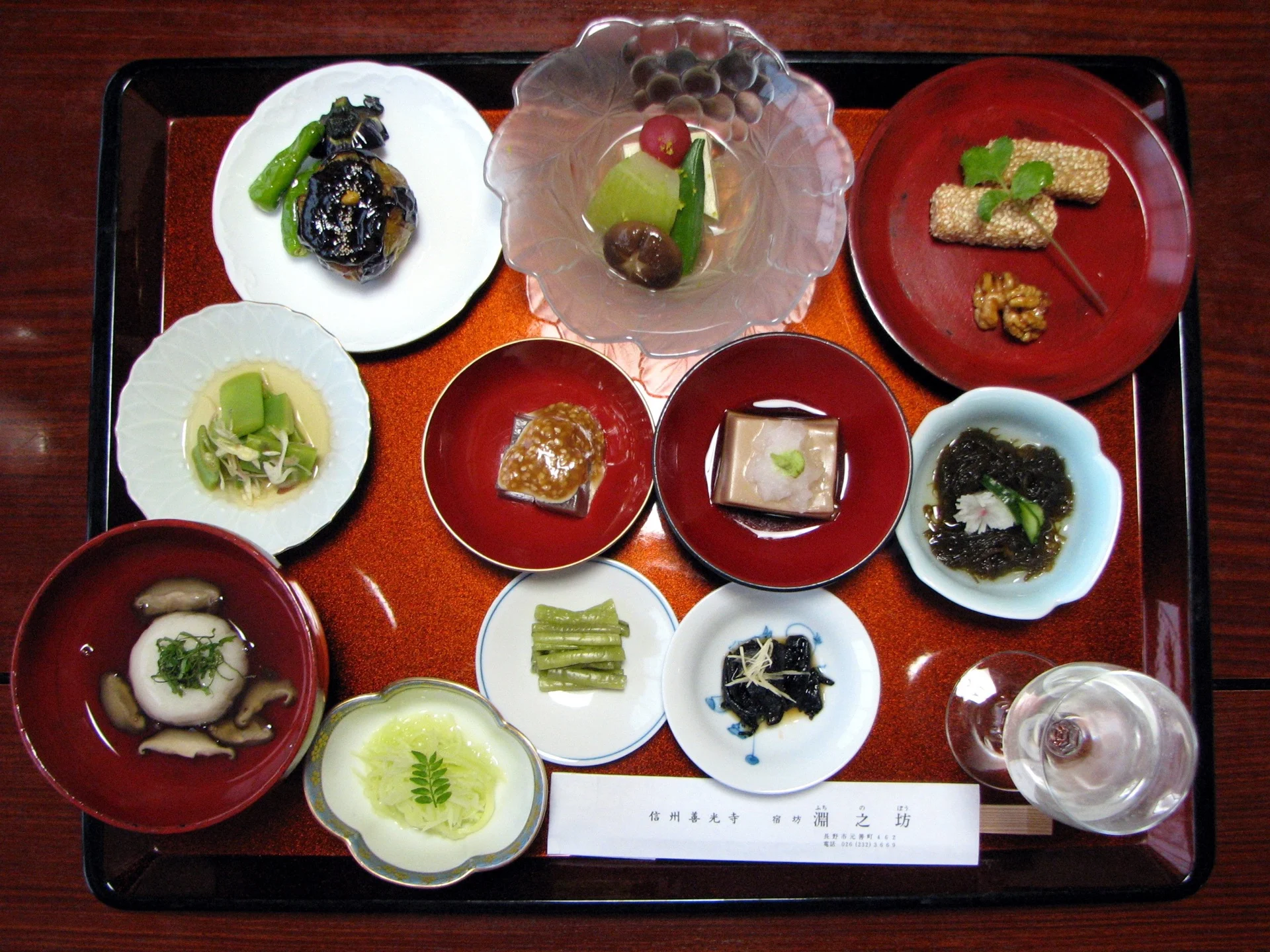
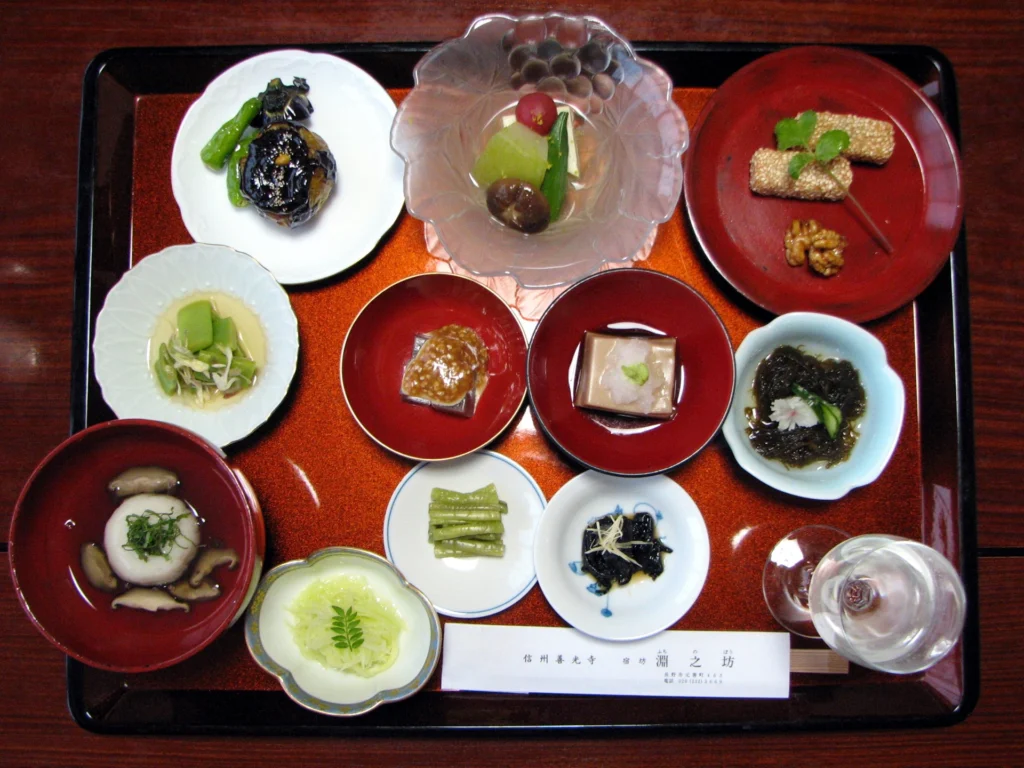
- Shojin ryori: traditional Buddhist temple cuisine, made without meat or fish.
- Vegetarian and vegan restaurants: there are more every year. Apps and websites that list vegetarian restaurants also help you find them near your hotel.
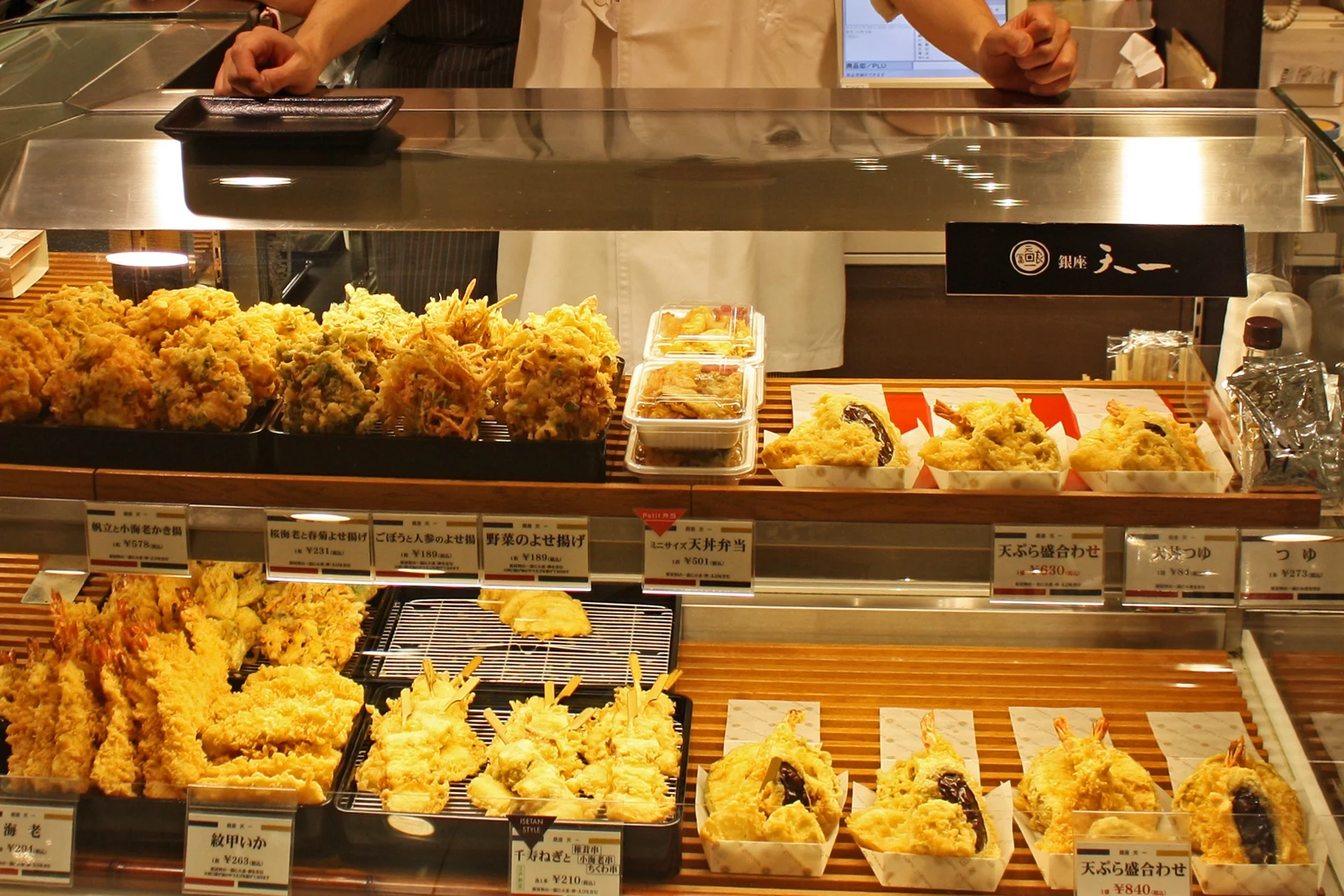
- Easy options: vegetable tempura (check the dipping sauce), cucumber rolls, inari sushi (rice in sweet tofu pockets), and plain rice balls with pickled plum.
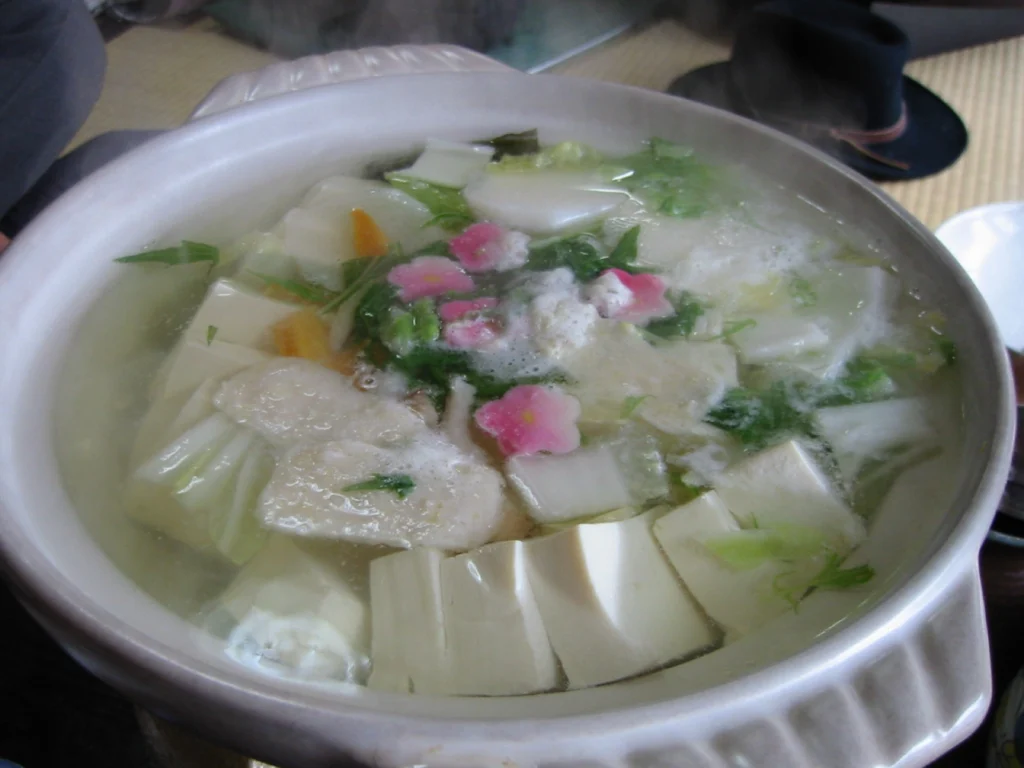
For Muslim travelers
- Halal certification: according to the Japan National Tourism Organization (JNTO), Japan has no central agency for halal accreditation, so certificates come from different private organizations. A halal-friendly restaurant may not have a separate halal kitchen.
- Alcohol and pork: JNTO notes that most Japanese restaurants serve alcohol, and that sake and mirin (sweet rice wine) are common in cooking. Pork and pork extracts also appear in many dishes.
- Guides for Muslim visitors: JNTO’s page for Muslim travelers lists resources such as the Japan Welcome Guide for Muslim Travelers and Halal Gourmet Japan, which help you find restaurants and prayer spaces.
- Groceries: halal-certified groceries are mostly frozen meat and spices, and most supermarkets do not stock them.
Prayer rooms and mosques
- Narita Airport: prayer rooms in Terminals 1, 2 and 3, both before and after security. Check the airport’s prayer room page for the floor.
- Haneda Airport: Terminal 2 has prayer rooms on 3F (before security) and 2F (international area, after security); Terminal 3 has them on 3F before security. There is no prayer room in Terminal 1.
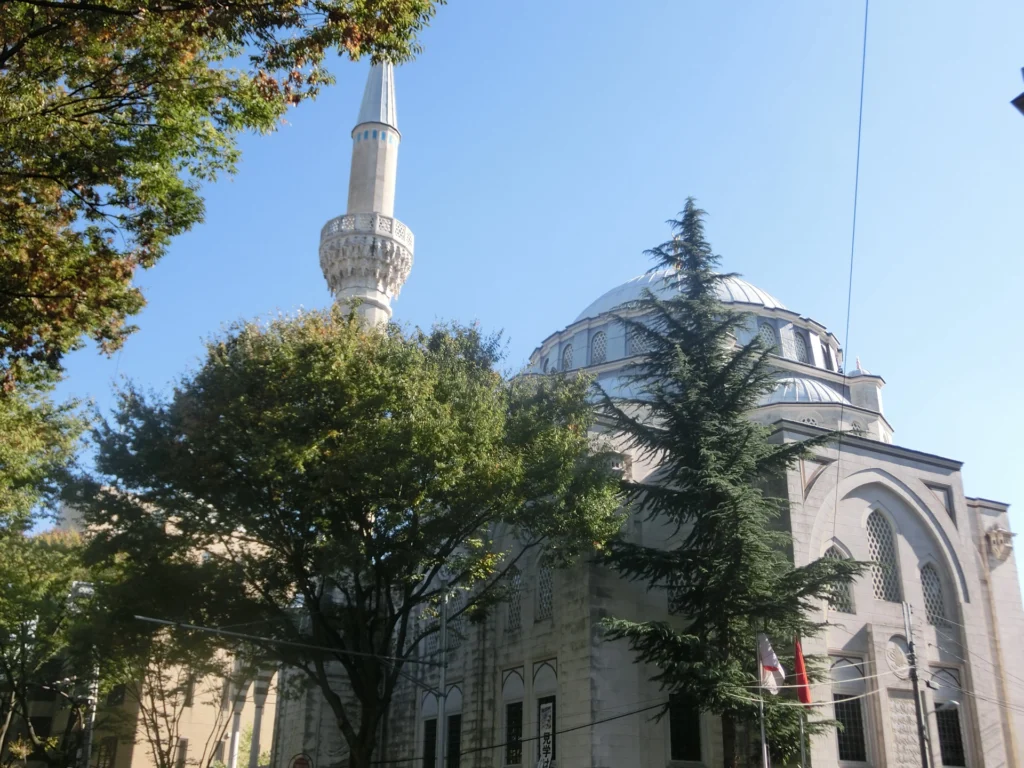
- Tokyo Camii: a large mosque about 5 minutes on foot from Yoyogi-Uehara Station (Odakyu Line and Tokyo Metro Chiyoda Line). It welcomes visitors and runs a free guided tour on Saturdays, Sundays and public holidays from 14:30.
- JNTO notes that more airports, tourist spots and Muslim-friendly hotels now offer places to pray.
Useful phrases
| English | Say it |
|---|---|
| I am vegetarian. | Watashi wa bejitarian desu. |
| I don’t eat meat or fish. | Niku to sakana wa tabemasen. |
| I can’t eat pork. | Butaniku wa taberaremasen. |
| Does this contain fish stock? | Kore ni dashi wa haitte imasu ka? |
| Is this halal? | Kore wa hararu desu ka? |
Showing a card written in Japanese is often easier than speaking. For more, see our Japanese phrases guide.
Convenience stores
Ingredient labels are in Japanese, so a translation app with a camera helps. Plain rice balls, fruit, nuts and salads are usually the simplest choices, but always check the label. See our convenience store guide.
FAQ
Is it hard to eat vegetarian in Tokyo?
It takes some planning, because many dishes use dashi, a fish stock. Start with Tokyo’s official Vegan & Vegetarian Restaurant Guide, and look for restaurants that clearly say they are vegetarian or vegan.
What is shojin ryori?
Traditional Buddhist temple cuisine, made without meat or fish.
Is halal food certified in Japan?
There is no single national body. Halal certificates come from different private organizations, so check what a restaurant’s certificate covers.
Are there prayer rooms at Tokyo’s airports?
Yes. Narita has prayer rooms in all three terminals. Haneda has them in Terminals 2 and 3, but not in Terminal 1.
Can I visit Tokyo Camii?
Yes. It is about 5 minutes on foot from Yoyogi-Uehara Station, and runs a free guided tour on weekends and public holidays from 14:30.
Related Articles


Sources
Restaurant guides, halal information, prayer rooms and Tokyo Camii come from the official sources below (checked November 2, 2026). Please check before you go.