Researched guide · Checked on Nov 5, 2026
This article contains affiliate links. If you book through them, we may earn a commission at no extra cost to you. See our Affiliate Disclosure.
Quick answer
Best weather: spring (late March to May) and autumn (October to early December).
Hottest: August, with an average high of about 31°C (88°F). Coldest: January, about 10°C (50°F) by day and 1°C (34°F) at night.
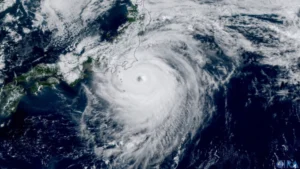
Rainiest: June’s rainy season, and September and October, when typhoons are possible.
Busiest: Golden Week, Obon and the New Year holidays.
Tokyo has four clear seasons, and each one changes what you see and what you should pack. Here is what the weather is usually like month by month, based on 30 years of official data, and our tips on the best time to visit.
Tokyo weather by month
| Month | Avg high | Avg low | Rain | What it is like |
|---|---|---|---|---|
| Jan | 10°C / 50°F | 1°C / 34°F | 60 mm | Cold and dry, often sunny. New Year holidays |
| Feb | 11°C / 52°F | 2°C / 36°F | 57 mm | The coldest weeks. Plum blossoms |
| Mar | 14°C / 58°F | 5°C / 41°F | 116 mm | Warming up. Cherry blossoms open late in the month |
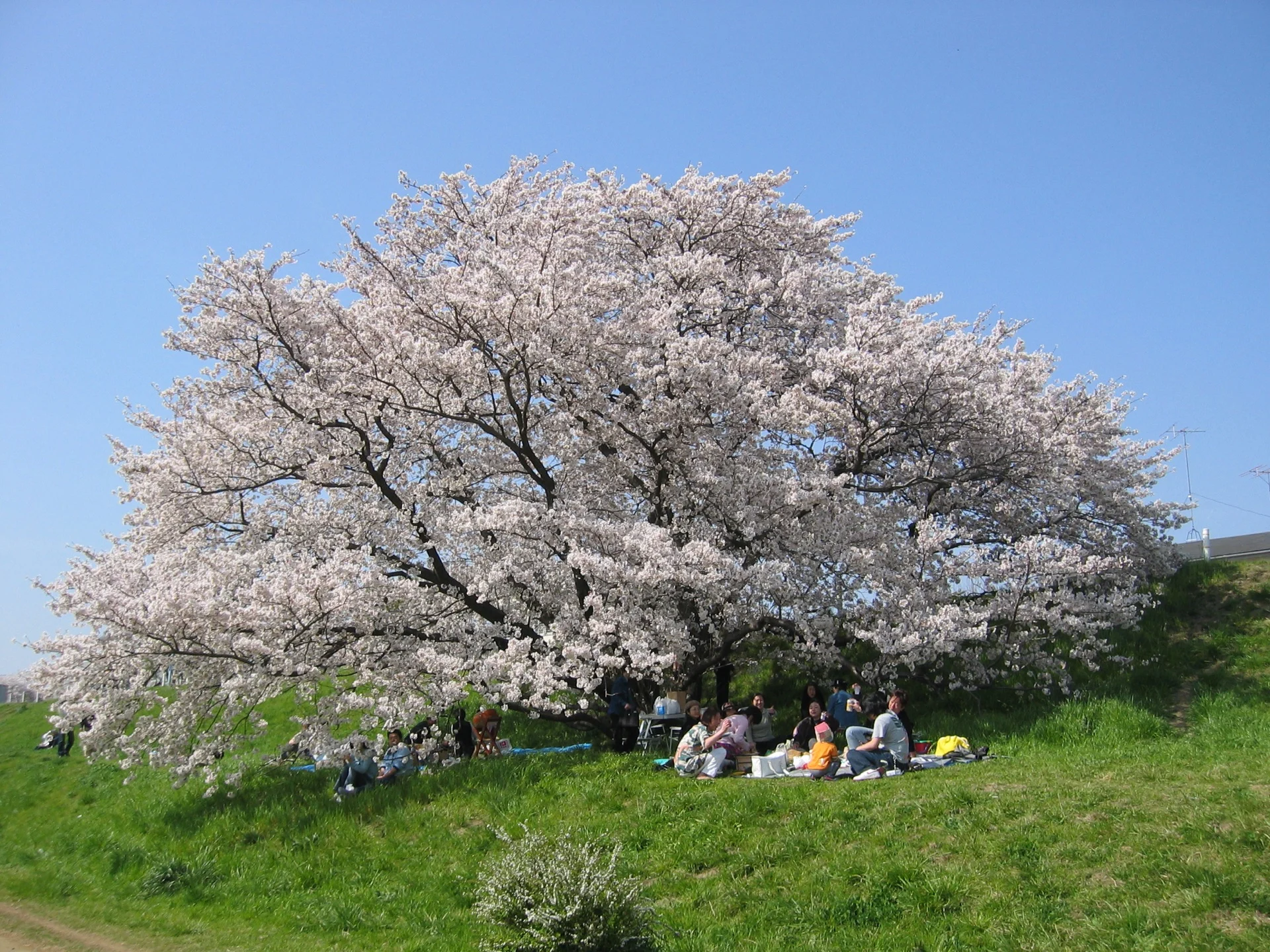
| Apr | 19°C / 67°F | 10°C / 50°F | 134 mm | Mild. Early April is cherry blossom peak |
| May | 24°C / 74°F | 15°C / 58°F | 140 mm | Warm and pleasant. Golden Week holidays early in the month |
| Jun | 26°C / 79°F | 18°C / 65°F | 168 mm | Rainy season starts, usually in early June |
| Jul | 30°C / 86°F | 22°C / 72°F | 156 mm | Rainy season ends around mid-July, then hot and humid |
| Aug | 31°C / 88°F | 24°C / 74°F | 155 mm | The hottest month. Fireworks and summer festivals |
| Sep | 28°C / 82°F | 20°C / 69°F | 225 mm | Still hot and very rainy, with typhoons |
| Oct | 22°C / 72°F | 15°C / 59°F | 235 mm | Cooling down, but the rainiest month on average. Typhoons still possible |
| Nov | 17°C / 62°F | 9°C / 48°F | 96 mm | Crisp and clear. Autumn leaves from mid-month |
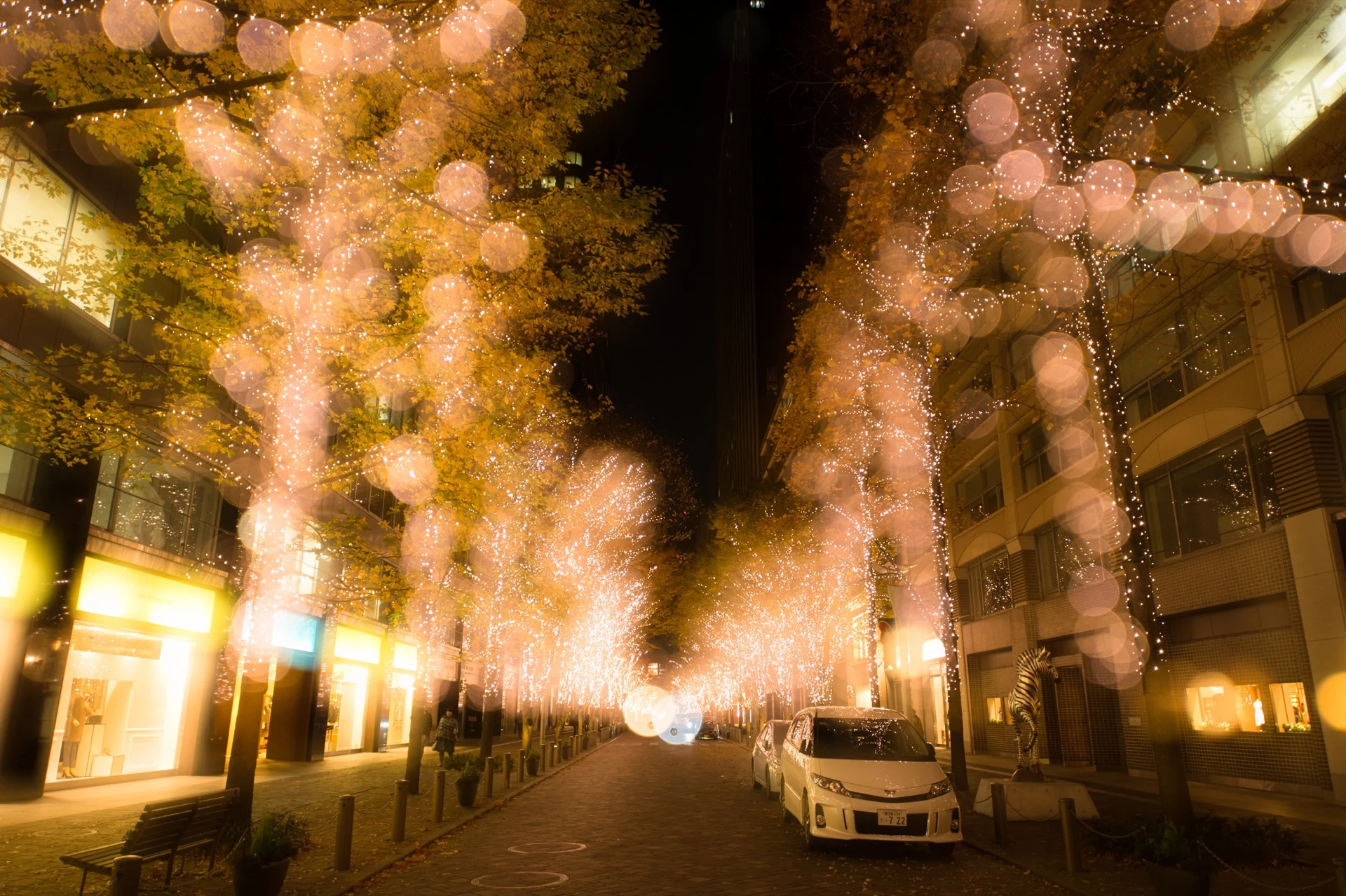
| Dec | 12°C / 54°F | 4°C / 39°F | 58 mm | Cool, dry and sunny. Winter illuminations |
Averages from the Japan Meteorological Agency for central Tokyo, 1991 to 2020. Each year is different, and recent summers have often been hotter than these averages. Humidity averages about 75% from June to September, and about 51% in January. For this week’s forecast, see our home page.
Tokyo month by month
Weather, events and tips for each month:
- Tokyo in January
- Tokyo in February
- Tokyo in March
- Tokyo in April
- Tokyo in May
- Tokyo in June
- Tokyo in July
- Tokyo in August
- Tokyo in September
- Tokyo in October
- Tokyo in November
- Tokyo in December
How often does it rain in Tokyo?
On average, it rains about 103 days a year in Tokyo, counting days with at least 1 mm of rain. December to February is the dry season, with about 5 rainy days a month. June has the most rainy days, while September and October have the most rain in total.
| Month | Rain | Days with 1 mm or more |
|---|---|---|
| Jan | 60 mm | 4.5 |
| Feb | 57 mm | 5.2 |
| Mar | 116 mm | 9.2 |
| Apr | 134 mm | 9.5 |
| May | 140 mm | 10.1 |
| Jun | 168 mm | 11.6 |
| Jul | 156 mm | 10.5 |
| Aug | 155 mm | 7.9 |
| Sep | 225 mm | 11.0 |
| Oct | 235 mm | 10.5 |
| Nov | 96 mm | 7.4 |
| Dec | 58 mm | 5.2 |
The rainy season in the Kanto region, which includes Tokyo, usually runs from about June 7 to July 19. In 2026, the Japan Meteorological Agency’s preliminary dates were about June 7 to July 20. The dates change each year, so check the forecast before you go. These figures are 1991–2020 averages.
The best time to visit
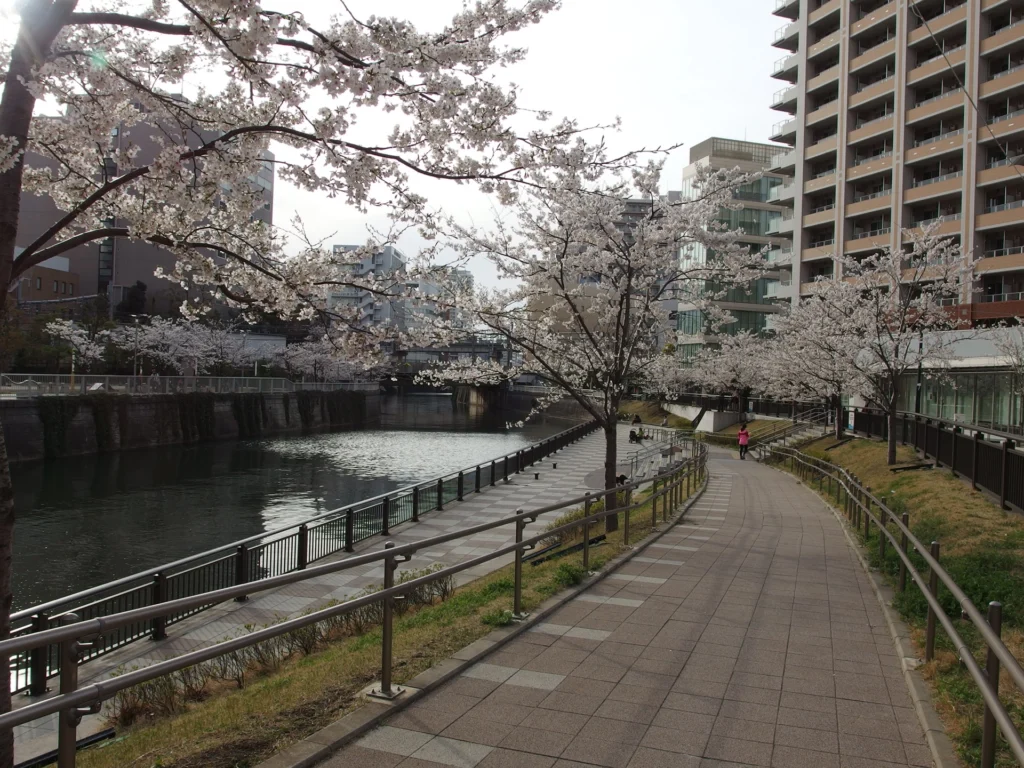
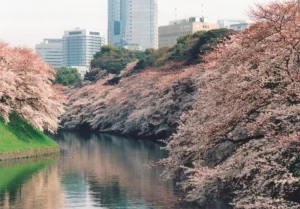
- Spring (late March to May): mild weather and cherry blossoms. It is also one of the busiest and most expensive times, so book early. See cherry blossoms in Tokyo.
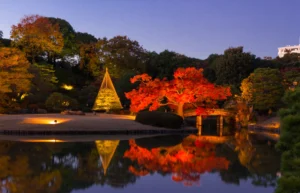
- Autumn (October to early December): comfortable temperatures, clear skies and autumn leaves. See autumn leaves in Tokyo.
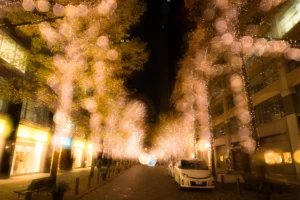
- Winter (December to February): cold but usually dry and sunny, with the clearest views of Mt. Fuji. Snow in central Tokyo is rare. See winter in Tokyo.
- Summer (June to September): the rainy season, then heat and humidity, and typhoons in late summer. Festivals and fireworks make up for it.
Busy holiday periods
Trains, hotels and popular sights get especially crowded during Japanese holidays. The main ones are Golden Week (late April to early May), Obon (mid-August) and the New Year holidays (around December 29 to January 3). See what else is on in Tokyo events by month. Some shops, museums and restaurants close for a few days over New Year.
What to pack
| Season | Pack |
|---|---|
| Spring and autumn | Layers and a light jacket. Evenings can be cool |
| Summer | Light clothes, a hat, sunscreen, a small towel and a folding umbrella |
| Winter | A warm coat, scarf and gloves. Buildings and trains are well heated, so wear layers |
| All year | Comfortable walking shoes. You will walk a lot |
Heat, rain and typhoons
- In summer, drink water often, rest in air-conditioned places and avoid long walks in the middle of the day.
- Convenience stores sell umbrellas if you get caught in the rain. See our convenience store guide.
- If a typhoon is coming, trains may stop and flights may be canceled. Check the news and your airline, and stay indoors while it passes.
- For earthquakes, see our earthquake safety guide.
Affiliate link
FAQ
What is the best time to visit Tokyo?
Spring (late March to May) for mild weather and cherry blossoms, or autumn (October to early December) for comfortable temperatures and autumn leaves.
What is the hottest month in Tokyo?
August, with an average high of 31°C.
When is the rainy season in Tokyo?
It usually starts in early June and ends around mid-July.
How often does it rain in Tokyo?
About 103 days a year on average, counting days with at least 1 mm of rain. That ranges from about 5 days a month from December to February to about 12 days in June.
Does Tokyo have a dry season?
Yes. December to February is the driest time, with about 57 to 60 mm of rain a month. It is also the coldest time of year.
When can I see Mt. Fuji most clearly?
In winter, when the air is cold, dry and usually sunny.
Keep reading
Sources
The climate figures in this guide come from the Japan Meteorological Agency’s 1991–2020 averages (checked November 5–6, 2026). Holiday periods and closures change every year, so please check before you go.