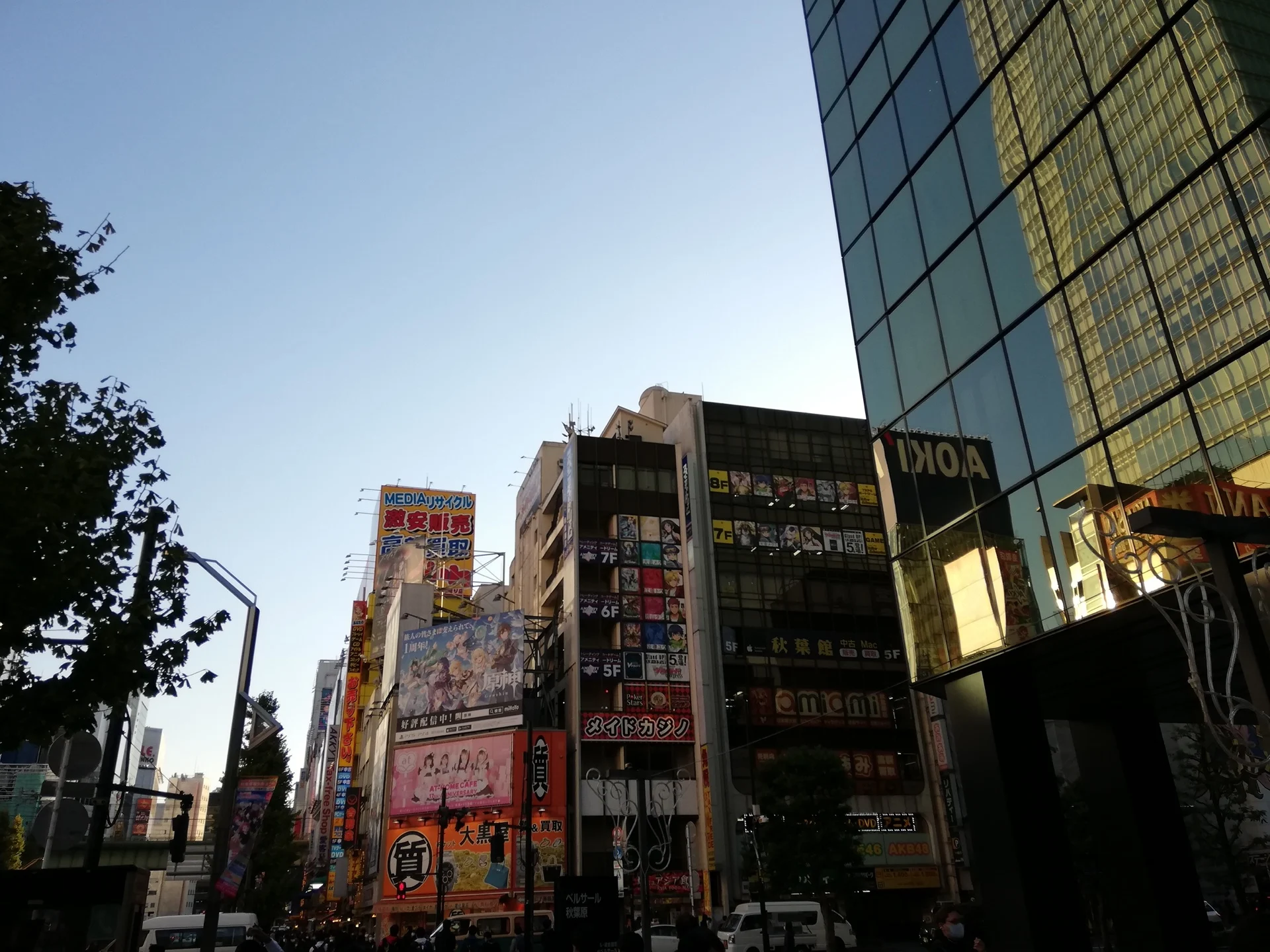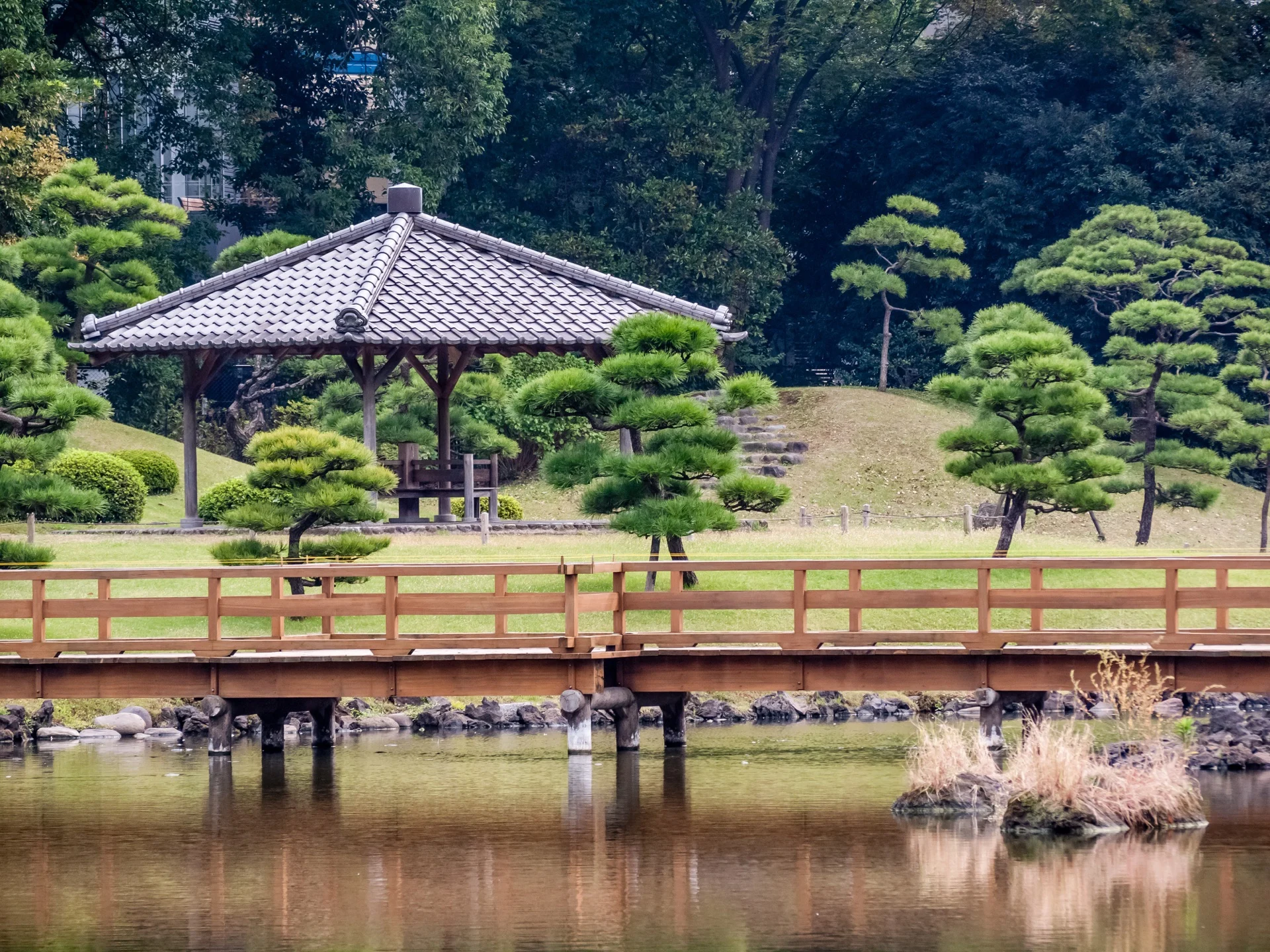
Where you sleep in Tokyo can be part of the trip. Besides ordinary hotels, Japan has compact business hotels, capsule hotels, traditional ryokan inns and whole-apartment rentals. Here is what each one is like, who it suits, and what to check before you book.
Quick answer
First trip, want it easy? A business hotel or a standard hotel near a big station.
On a tight budget, traveling alone? A capsule hotel or a hostel.
Want a Japanese experience? One or two nights in a ryokan, with tatami, futon and often a hot-spring bath.
Family or group? A hotel with larger rooms, or a licensed apartment rental (minpaku).
Types of accommodation at a glance
| Type | What it is | Good for | Watch out for |
|---|---|---|---|
| Luxury and standard hotels | Western-style hotels with full service | Comfort, couples, special trips | Higher prices; city rooms are still smaller than in many countries |
| Business hotels | Compact Western-style rooms, usually near stations | Short stays, solo travelers, good value | Rooms are often 12 to 20 m²; little space for big suitcases; most rooms fit two people at most |
| Capsule hotels | A sleeping pod with shared bathrooms and lockers | Solo budget travelers, one or two nights | Little privacy; luggage space is limited; many floors are men-only or women-only |
| Ryokan | Traditional Japanese inns with tatami rooms and futon beds | Culture, onsen, special meals | Often priced per person with dinner and breakfast; fixed meal times |
| Hostels | Dormitory beds and some private rooms | Backpackers, meeting other travelers | Shared rooms and bathrooms; some have night entry rules |
| Minpaku (apartment rentals) | A private home or apartment, often unattended | Families, groups, longer stays | Must be licensed; self check-in; house rules on noise and rubbish |
Business hotels
Business hotels are simple Western-style hotels built for people traveling for work. They are usually close to train stations, the rooms are small but well equipped (a bed, a desk, a private bathroom, free Wi-Fi), and they are good value. Japan’s tourism organization notes that rooms are usually 12 to 20 square meters and may not suit travelers with large suitcases. Most rooms are for one or two people, though some chains have triple rooms.
Capsule hotels
In a capsule hotel, you sleep in a pod just big enough to lie down and sit up in, with a light, a power outlet and a curtain or door. Bathrooms, showers and lounges are shared, and your bags go in a locker or at the front desk. Many capsule hotels have separate floors for men and women, and some are only for men, so check before booking. They are fun for a night or two, but they are not always cheaper than a small business hotel, especially at busy times.
Ryokan (Japanese inns)
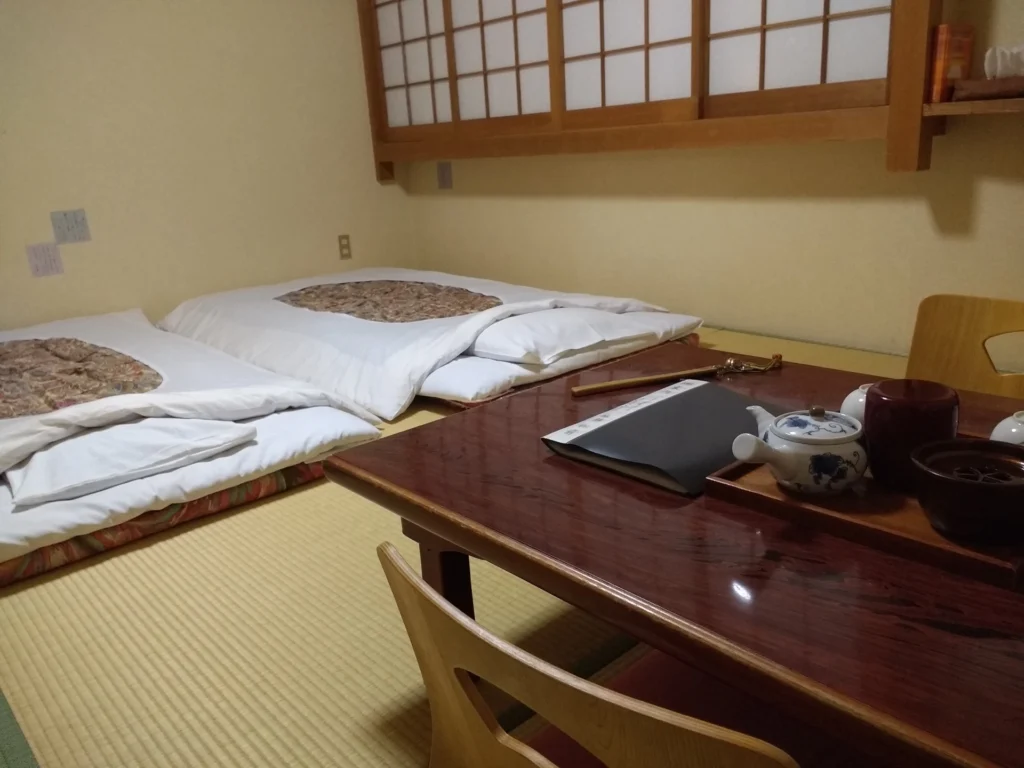
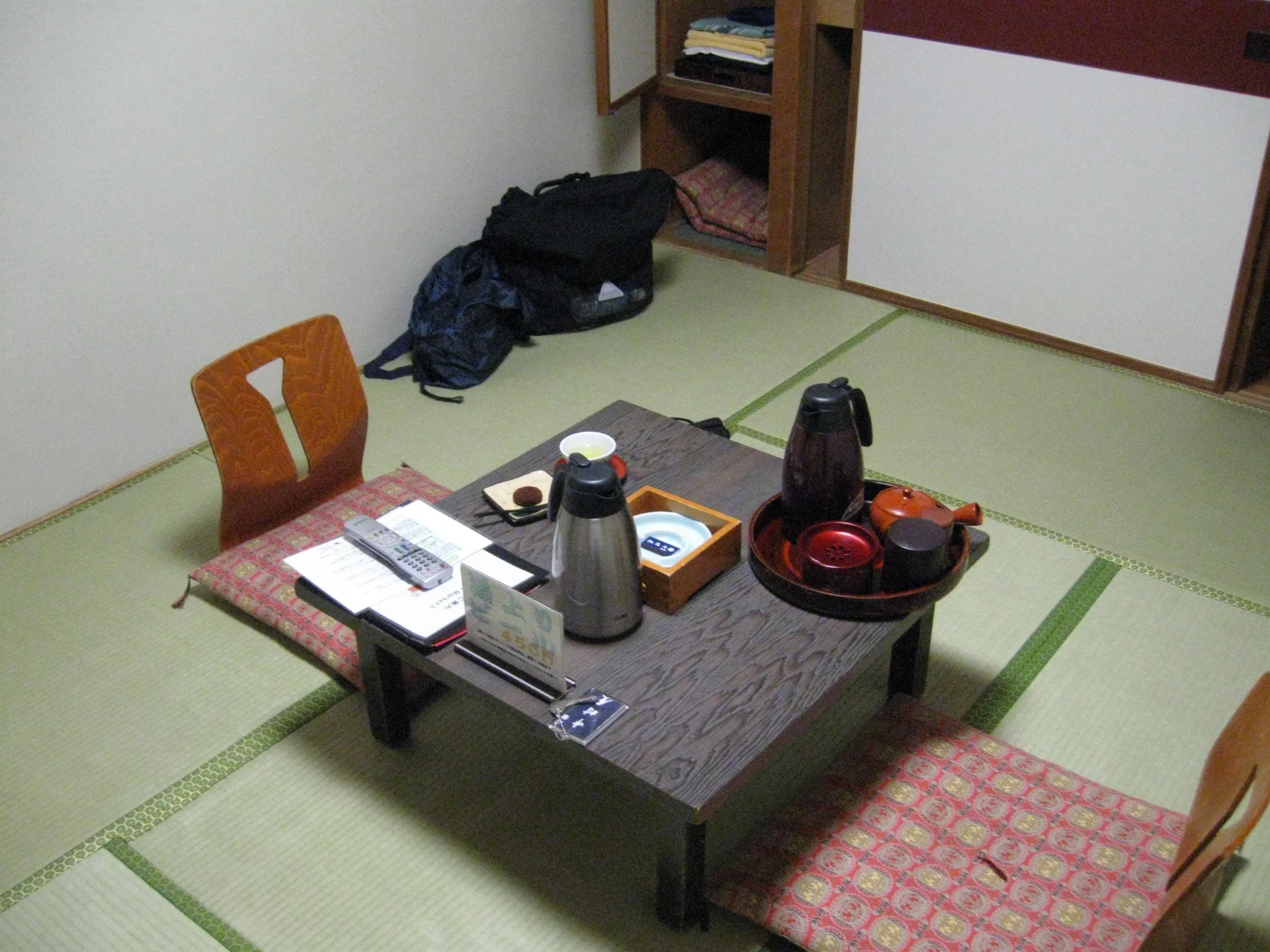
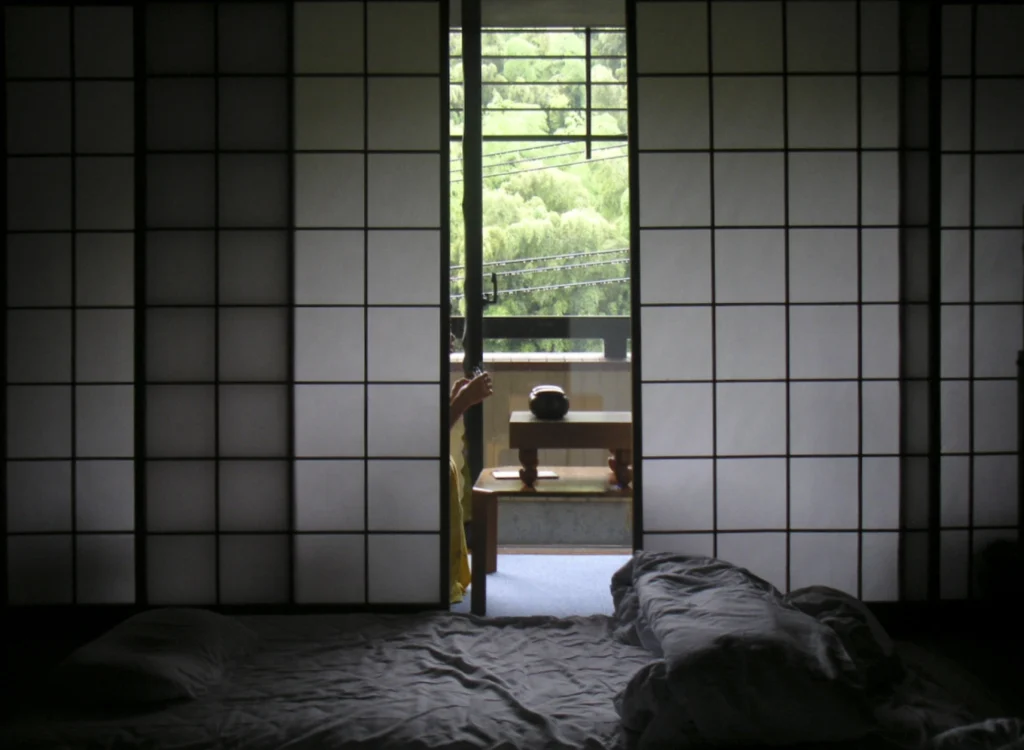
A ryokan is a traditional Japanese inn. Rooms have tatami mat floors, and staff lay out futon bedding in the evening (some ryokan also have Western beds). Guests wear the yukata robe provided, and many ryokan have hot-spring baths. Stays often include dinner, a multi-course kaiseki meal, and breakfast, so the price is usually per person rather than per room. In Tokyo there are some ryokan, but most travelers stay in one on a trip to a hot-spring town such as Hakone.
- Take your shoes off before stepping on tatami.
- Dinner and breakfast are usually served at set times. Tell the inn in advance about allergies or a vegetarian diet.
- Read our onsen and sento etiquette guide before using the baths.
Hostels
Japan has youth hostels (part of the Hostelling International network) and many independent hostels. Most have dormitory rooms with four to six beds, plus some private rooms, shared bathrooms and common areas. Despite the name, youth hostels welcome travelers of all ages. Some have rules about noise or entry late at night, so check before you book.
Minpaku (apartment and house rentals)
Minpaku are private homes or apartments rented to travelers, usually without staff on site. They can be good for families and groups who want more space or a kitchen. In Japan, a minpaku must be registered or licensed, and a registration number should be shown on the listing. Expect self check-in and house rules about noise and sorting rubbish.
Booking tips
- Room size: city hotel rooms are compact. Check the size in square meters if you have big suitcases.
- Beds: twin rooms (two beds) are common in Japan. A “double” can be a fairly narrow bed, so check the bed width.
- Taxes: room rates include 10% consumption tax. Tokyo also has a small accommodation tax per person per night on rooms above a certain price, and onsen inns may add a bathing tax. These are usually included in the price shown, but check.
- Tipping: not expected in hotels or ryokan.
- Location: staying near a station on the JR Yamanote Line or a major subway line saves a lot of time. See Where to stay in Tokyo.
- Luggage: you can send big suitcases between hotels. See our luggage guide.
Ready to compare hotels? Use our Tokyo hotel finder to browse by area and check prices on booking sites.
FAQ
Are capsule hotels safe?
Capsule hotels in Japan are generally well run, with lockers for your valuables and staff at the front desk. Many have women-only floors. Choose one with good recent reviews.
Can couples stay in a capsule hotel?
Usually you each get your own capsule, and many capsule hotels separate men and women by floor. A small business hotel room is often a better choice for couples.
Is a ryokan worth it in Tokyo?
If you are going to Hakone or another hot-spring town, it is usually better to stay in a ryokan there. In Tokyo, a hotel is more practical for sightseeing.
Do I need to tip at a hotel in Japan?
No. Tipping is not customary in Japanese hotels and ryokan.
Related Articles
Sources
Information comes from the sources below (checked October 19, 2026). Rules and taxes change, so please check before you book.